We Have Always Existed
Creating a comprehensive page on transgender and gender diverse history is a significant task, given the complex and often painful legacy of oppression transgender individuals have faced. This oppression stems from gender essentialism — the reduction of gender to physical traits rather than lived experience or internal truth. In this framework, there is space for a body, but not for a self.
Intellectual lineage includes the quiet transmission of assumptions across generations of thought. It is powerful precisely because it often goes unnamed, unquestioned, and mistaken for neutrality. For many people, gender essentialism simply goes unexamined because nothing in their own experience has ever forced the question open. But for others — particularly those whose authority, status, or sense of moral order depends on the framework remaining intact — the not-questioning is less innocent. It is far easier, and far more socially rewarded in certain communities, to defer to doctrine, to institution, to tradition, and to call that deference faith, or science, or common sense, rather than what it sometimes is: the avoidance of a question that would cost something to answer honestly.
Beliefs that hold power over people — determining who receives care, who is protected by law, whose body belongs to themselves — must be scientifically interrogated. Not because science is the only way of knowing, but because when a belief functions as policy, as diagnosis, as legislation, it has left the realm of personal conviction and entered the realm of public consequence. At that point, it is subject to evidence. And the evidence, as this page documents across history, neurobiology, clinical research, and the paper trail of a fifty-year anti-LGBTQ+ funding network, does not support the belief that gender is simply and solely determined by the body.
This dynamic runs counter to the entire history that follows. We will see it in the clinicians who pathologized transgender identity without examining their own frameworks, in the legislators who banned care for children they had never met, and in the science that was selectively produced and amplified to make a political agenda look like medical consensus. What follows is an act of interrogation after a lifetime of facing these barriers: What have the people who came before us done to survive? What barriers did they face, and how did they work around them?
As surgeon and past WPATH president Marci Bowers has written:
“Transgender as a term is recent but encompasses feelings that have existed throughout human existence. DNA has not changed significantly over time. Medical conditions have always existed although not always defined by medical science. Certainly, this includes intersex conditions whose presence in human beings has been evident throughout the ages, just as they are within the plant and animal kingdoms. Genitalia arise from the same embryonic structures with potential to become male, female or something in between, just as they have always naturally. What has and continues to change is our response to the public manifestations of these medical conditions and our personal acceptance or suppression of gendered feelings within ourselves. Society has always reacted with passion to those who are ambiguous, androgynous, or intersex and similarly, to those who willfully seek or, in some way, cross the boundaries between genders. As Milton Diamond has said frequently, ‘nature loves diversity.’ If women were perfectly female, they would possess no testosterone and men, no estrogen.” (Bowers, A History of Gender Affirming Surgery, pg. 2)
Transgender people have not only been marginalized throughout history but vilified — frequently accused of deceit merely for expressing their authentic selves. To live in alignment with one’s self is a profound act of integrity. Yet this authenticity is often mischaracterized as deception, fueling violence against transgender individuals.
Much of transgender history remains obscured or buried in records outside mainstream narratives — dispersed across institutions, languages, and naming conventions, driven underground by stigma, omitted from mainstream accounts, and actively distorted by an ongoing right-wing disinformation campaign documented in detail later on this page. The largest repository of transgender history and resources was burned by the Nazis. What follows is a selection of significant people, places, and developments to illuminate these stories and honor the resilience of transgender individuals across time. I use AI to find significant source documents and to condense information. For a more comprehensive historical record, see the Digital Transgender Archive.
Links to Transgender History:
- Decolonizing Trans/Gender Studies
- Digital Transgender Archive
- NYCTOH Handbook
- Non-binary people in history
- Trans Historian — J. Gill-Peterson
- Transgender History Source Document
Gender Diversity Across Cultures and History
Sumerians: The Sumerians, one of the earliest known civilizations, recognized gender diversity in their society. Ancient texts and artifacts indicate that individuals who did not conform to binary gender categories were not only present but also held important roles in their religious and social structures. In Sumerian times, priests for Inanna known as the gala were said to have been created by the god Enki to sing laments for her, one of their central roles in her temple. This recognition reflects a more fluid understanding of gender in ancient Mesopotamia. Learn more.
Two-Spirit People and the North American Berdache: The term “Two-Spirit,” coined in 1990 during the third annual inter-tribal Native American/First Nations gay/lesbian conference in Winnipeg, refers to Indigenous North Americans embodying traditional mixed gender roles. Historically, the term “berdache” was used to describe Native American individuals who fulfilled one of many mixed-gender roles in their tribes. These roles involved wearing clothing and performing tasks associated with both men and women, representing a cultural understanding of gender that differs from Western binary concepts. The term “Two-Spirit” is now preferred as it respects the cultural significance and spiritual aspects of these identities, emerging to reclaim and affirm Indigenous gender diversity and cultural practices, challenging colonial and Western gender norms imposed on Indigenous communities. Read more.
Hijra Community in South Asia: The Hijra community, recognized as a third gender in South Asia for centuries, plays unique roles in cultural and religious ceremonies. They are often invited to bless weddings and births, reflecting their respected and spiritually significant status in society. Despite facing discrimination, Hijras continue to be a vital part of South Asian cultural heritage. Read more.
Fa’afafine of Samoa: In Samoan culture, Fa’afafine are individuals who embody both male and female traits and roles. Traditionally recognized and respected, Fa’afafine often take on caregiving roles within their families and contribute to the community through various means. Their existence challenges the Western binary gender concept and highlights the cultural richness of Samoa. Read more. See also: Vasey, P. L., & Bartlett, N. H. (2017). What can the Samoan fa’afafine teach us about the Western concept of gender identity disorder? Archives of Sexual Behavior. https://pubmed.ncbi.nlm.nih.gov/26966855/
Bakla of the Philippines: Bakla is a term used in Filipino culture to describe individuals assigned male at birth who adopt feminine gender expressions and roles. Historically respected in pre-colonial society, Bakla individuals often occupy significant social spaces, particularly in the beauty and entertainment industries today. They reflect the cultural acceptance of gender diversity in the Philippines. Read more.
Kathoey in Thailand: Known colloquially as “ladyboys,” Kathoey in Thailand are individuals assigned male at birth who present as female or non-binary. Highly visible in Thai culture, they often work in entertainment and fashion, and their presence challenges Western notions of gender conformity. Despite facing legal and social hurdles, Kathoey are an integral part of Thai society. Learn more.
Bissu in Bugis Culture (Indonesia): The Bugis people of Sulawesi recognize five genders, including Bissu, who embody both male and female characteristics and hold important spiritual roles. Bissu are considered intermediaries between the spiritual and physical worlds, performing rituals and preserving oral traditions. Their existence underscores the cultural richness and gender diversity of the Bugis people. Read more.
Ashtime in Maale Culture (Ethiopia): Ashtime are males in Maale culture who adopt female roles and gender expressions. Often holding significant ritualistic and spiritual roles, they are vital to the cultural and religious practices of their community. Their acceptance reflects the nuanced understanding of gender in Maale society. Learn more.
Sekrata in Madagascar: The Sekrata are individuals assigned male at birth who take on female gender roles within the Sakalava people of Madagascar. Believed to possess special spiritual powers, Sekrata are integrated into the social and spiritual fabric of their communities. Learn more.
Māhū in Hawaiian and Tahitian Cultures: Māhū are individuals in Hawaiian and Tahitian cultures who embody both male and female spirit and roles. Traditionally respected as caretakers of culture and knowledge, Māhū play a crucial role in maintaining cultural traditions and practices. Their recognition challenges Western gender binaries and emphasizes the cultural importance of gender diversity. Read more.
Ancient Judaism: The Talmud identifies eight genders: Zachar (male), Nekevah (female), Androgynos (both male and female traits), Tumtum (indeterminate traits), Aylonit hamah (female at birth, develops male traits naturally), Aylonit adam (female at birth, develops male traits through intervention), Saris hamah (male at birth, develops female traits naturally), and Saris adam (male at birth, develops female traits through intervention). Additionally, rabbinic literature includes the concept of the first human being created as both male and female. For more details, visit My Jewish Learning.
Gender Diversity in Ancient Rome
Ancient Rome exhibited a complex understanding of gender and sexuality, with instances of gender diversity recorded in historical texts and practices. While Roman society was predominantly patriarchal and adhered to strict gender roles, there were notable exceptions and unique cultural nuances regarding gender and sexuality (https://academic.oup.com/ahr/article-abstract/105/4/1250/87940).
The 1703 engraving “Isis Changing the Sex of Iphis” by Bauer illustrates a myth from Ovid’s Metamorphoses, which explores themes of gender, transformation, and love. In the story, Iphis, assigned female at birth but raised as a boy, is transformed into a man by the goddess Isis, allowing the relationship with a woman to continue without the constraints of societal norms (https://classics.washington.edu/sites/classics/files/documents/research/kamen_2012_iphis.pdf). In ancient Rome, same-sex relationships were accepted within certain frameworks, with a focus on maintaining power dynamics, particularly male dominance. The myth of Iphis aligns with these expectations, making the love story socially acceptable by Roman standards. Today, it resonates with trans and nonbinary people, highlighting the timeless themes of gender fluidity and self-discovery.
Gallae Priests: The Gallae were priests of the Phrygian goddess Cybele who were noted for their ritual castrations and adoption of female clothing and behavior. These priests, often viewed as a third gender, played a significant role in Roman religious life. Sources: Ancient History Encyclopedia – Cybele
Same-Sex Relationships: Roman society acknowledged same-sex relationships, particularly among men. While these relationships were usually framed within specific social hierarchies and power dynamics, they highlight the fluidity of sexual norms in ancient Rome. Sources: Same-Sex Relationships in Ancient Rome
Legal and Social Attitudes: Roman law and social norms were complex and often contradictory. While cross-dressing and gender non-conformity were generally frowned upon in public, certain religious and cultural contexts provided space for such expressions. Sources: https://pressbooks.bccampus.ca/unromantest/chapter/transgender/
Gender Diversity in Ancient Greece
In Aristophanes’ speech in Plato’s Symposium, humans originally existed in three forms — male, female, and androgynous (a combined form). These original humans were powerful and self-sufficient, but after they challenged the gods, Zeus split them in two. From that point forward, each half felt incomplete and spent life searching for its missing counterpart — offering a mythic explanation for different patterns of desire and attachment, including people drawn toward the same sex or a different sex depending on which original form they came from. Plato wrote the Symposium in classical Athens, most likely around 385–370 BCE (4th century BCE). Primary text (public domain): Project Gutenberg.
Uprising: Pivotal Moments
Compton’s Cafeteria Riot: A Pivotal Act of Transgender Resistance
The Compton’s Cafeteria Riot erupted in August 1966 in San Francisco’s Tenderloin District, marking one of the first recorded instances of transgender resistance against police harassment in the United States — three years before Stonewall. The riot began when a transgender woman threw hot coffee at an officer attempting to arrest her, triggering a larger confrontation in which patrons overturned tables and broke windows in defiance of police brutality. At a time when cross-dressing was criminalized, the riot became a turning point in LGBTQ+ activism, leading to the formation of the National Transsexual Counseling Unit (NTCU) and inspiring future movements. In 2024, the site at 101 Taylor Street was added to the National Register of Historic Places, cementing its legacy in transgender history. Sources: San Francisco Chronicle; Atlas Obscura; Bay Area Reporter
The Stonewall Uprising and the Erasure of Transgender History
The Stonewall Riots, which began on June 28, 1969, were a series of spontaneous demonstrations by LGBTQ+ individuals in response to a police raid at the Stonewall Inn in New York City. At the time, homosexual acts were illegal in nearly every state, and LGBTQ+ spaces faced frequent police harassment. The uprising sparked days of protests and violent clashes with law enforcement, serving as a catalyst for the modern LGBTQ+ rights movement. It led to the formation of advocacy organizations and the initiation of annual Pride marches to commemorate the resistance. How the mainstream and alt press covered the Stonewall Riots

From NYT: The Stonewall Inn on July 2, 1969, the fifth day of clashes between patrons and the police. The bar in operation today, which looks much as it did then, was made a national monument in 2016. Credit…Larry Morris/The New York Times
However, in February 2025, the National Park Service (NPS) removed all references to transgender and queer individuals from its website for the Stonewall National Monument. This action followed Executive Order 14168 (EO 14168), signed by Donald Trump, which mandated the elimination of so-called “gender ideology” from federal recognition. LGBTQ+ advocacy groups have condemned this as a deliberate act of political violence, silencing the contributions of transgender activists who played a critical role in the uprising. The erasure of transgender history from a monument meant to honor LGBTQ+ resistance represents a dangerous step toward broader state-sponsored oppression. Sources: AP News; Washington Post; Executive Order 14168
Gender Diverse People Throughout History
Late Antiquity and Medieval
Emperor Elagabalus (203–222 AD): Emperor Elagabalus, also known as Heliogabalus, challenged traditional Roman norms by openly expressing a non-binary to feminine gender identity and using she/her pronouns. She served as Roman emperor from 218 to 222 AD. Notably, she arranged a marriage with a charioteer named Hierocles, publicly declaring herself Hierocles’ wife, which defied societal expectations and shocked Roman society. Elagabalus’s reign was marked by controversy and criticism for behaviors considered unconventional by Roman standards, including religious reforms centered on the Syrian sun god Elagabal. Her defiance of gender norms and open declaration of a same-sex marriage challenged Roman patriarchal traditions, making her a controversial figure in ancient history. More about Elagabalus
Eleanor Rykener (arrested in 1394, London): Eleanor Rykener, also known as John Rykener, was a medieval sex worker in 14th-century London, whose case provides a rare glimpse into gender and sexual diversity in the Middle Ages. Arrested in 1394 for engaging in sexual relations with men and women while cross-dressed as a man, Rykener’s confession during interrogation detailed a life that defied conventional gender norms of the time. Rykener reportedly solicited clients while presenting as both male and female, highlighting a fluidity of gender expression and sexual orientation that challenges modern assumptions about medieval attitudes towards gender and sexuality. Rykener’s case is documented in legal records of the period, offering a unique historical perspective on how individuals navigated and negotiated their identities in a society governed by rigid religious and social codes. Remarkably, this case continues to come up in modern legal contexts as an example of historical gender diversity. More about Eleanor Rykener
Xica Manicongo (16th century, documented in 1591): Xica Manicongo, originally named Francisco Manicongo, was an enslaved person from the Kingdom of Kongo who was brought to colonial Brazil in the late 1500s. They are considered one of the earliest documented transgender or gender-nonconforming individuals in the Americas. In 1591, Xica was investigated by the Portuguese Inquisition in Bahia for wearing traditionally feminine clothing and engaging in same-sex relationships, defying rigid Catholic and colonial gender norms. Their story challenges the misconception that transgender identities are modern, instead highlighting pre-colonial traditions of gender fluidity that were forcibly erased. Today, Xica Manicongo is remembered as a symbol of resistance in both transgender and Afro-Brazilian history. More about Xica Manicongo
Catalina de Erauso (1592–1650): Catalina de Erauso, known as the “Lieutenant Nun,” was a remarkable figure born in the Basque Country around 1592. Escaping from a convent at a young age, she adopted a male identity and lived as a soldier and adventurer in the Spanish colonies of South America during the 17th century. Catalina’s life was marked by daring exploits, including duels and military campaigns, where she gained fame for her courage and skill. Her memoir, The Lieutenant Nun: Memoir of a Basque Transvestite in the New World, written in her later years, provides a vivid account of her experiences and remains a testament to her resilience and determination to live on her own terms. More about Catalina de Erauso
18th and 19th Century
Chevalier d’Éon (1728–1810): Chevalier d’Éon was born in Tonnerre, France. She was a diplomat, spy, soldier, and Freemason who served as a member of the French embassy in Russia, working as a spy for King Louis XV. In 1777, after years of living as a man, d’Éon began living publicly as a woman, claiming she had been assigned female at birth but raised as a boy to ensure an inheritance. The French government acknowledged d’Éon’s claim and provided financial support for her transition, including a pension and funds for a new wardrobe. D’Éon continued to live as a woman until her death in 1810. Her life and gender identity were subjects of much intrigue and speculation, and after d’Éon’s death, a post-mortem examination revealed male anatomy, adding to the complexity and mystery of her life story. More about Chevalier d’Eon
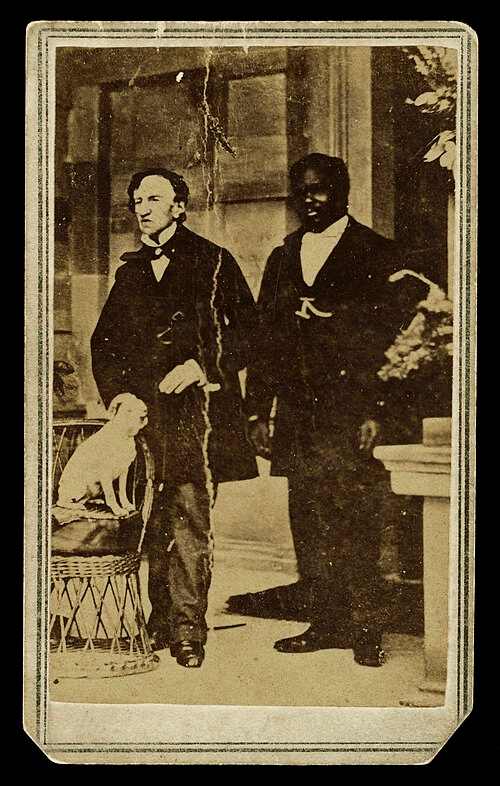
Dr. James Barry (1795–1865): Dr. James Barry’s life seems fit for a television drama: a roguish doctor aiding the sick and poor, engaging in duels, and challenging authority figures. Despite his sharp tongue, Barry was compassionate toward his patients, earning his MD from the University of Edinburgh in 1812 and later joining the British Army as a Hospital Assistant. Barry rose to the rank of Inspector General, responsible for military hospitals, and was known for improving conditions and advocating for better sanitation. It was only after his death that Barry was discovered to have been assigned female at birth, adding another layer of complexity to his remarkable life. The posthumous revelation of his assigned female birth ignited significant discussions and controversies surrounding gender identity, marking a pivotal moment in societal acknowledgment of gender non-conformity. More about Dr. James Barry
Albert Cashier (1843–1915): Albert Cashier was born in Clogherhead, Ireland, and immigrated to the United States, where he began living as a man. Cashier enlisted in the Union Army in 1862 during the American Civil War, serving in the 95th Illinois Infantry. He fought in approximately 40 battles and was noted for bravery and dedication, with his identity as a man not questioned during his service. After the war, Cashier continued to live as a man, working in various jobs such as a farmhand, janitor, and street lamplighter, and received a veteran’s pension, living in a soldiers’ home in later years. Cashier’s assigned gender at birth was discovered when he was admitted to a hospital in 1911 for a broken leg and later to a mental institution. Despite the discovery, many of Cashier’s comrades and community members continued to support and respect him, and his story has since been recognized as a significant example of transgender history, particularly in the context of military service. More about Albert Cashier

Early 20th Century
Alan Hart, MD (1890–1962): Alan Hart, MD, a transgender man and physician, underwent one of the earliest known gender-affirming surgeries in the United States — a hysterectomy performed in 1917. This procedure was conducted by Dr. J. Allen Gilbert at the University of Oregon Medical School, now known as Oregon Health & Science University (OHSU). Dr. Gilbert’s involvement was crucial as he supported Hart’s transition, which was groundbreaking at a time when societal views on gender and sexuality were highly conservative. This pioneering surgery marked a significant advancement in the medical treatment of transgender individuals, setting a precedent for future gender-affirming healthcare. More about Dr. Alan Hart; OHSU history; National Park Service; Scientific American

Lucy Hicks Anderson (1886–1954): Lucy was a transgender woman born in Waddy, Kentucky, who lived openly as a girl from childhood after a physician advised her mother to allow her to be raised female. By age 15, she set out on her own. She married and moved to Oxnard, California, where she worked as a domestic servant, saved her money, and purchased property near the center of town where she operated a brothel and sold illegal liquor during Prohibition. She emerged as a socialite and hostess in the city, known among the elite as an excellent baker and chef. When she was arrested for owning a brothel, she was bailed out of jail by the town’s leading banker. In 1945, during a public health investigation, authorities discovered she had been assigned male at birth. Ventura County officials voided her marriage and charged her with perjury for signing a marriage license as a woman. In court, Lucy firmly asserted her identity, declaring that she was a woman and challenging doctors to prove otherwise. She received probation but was later prosecuted with her husband for fraud related to military spousal allotment checks, resulting in prison time. After her release, she was banned from returning to Oxnard and moved to Los Angeles, where she lived until her death in 1954. Her case is often cited as an early example of legal persecution of a transgender woman in the United States. Sources: ACLU-MS; Legacy Project Chicago

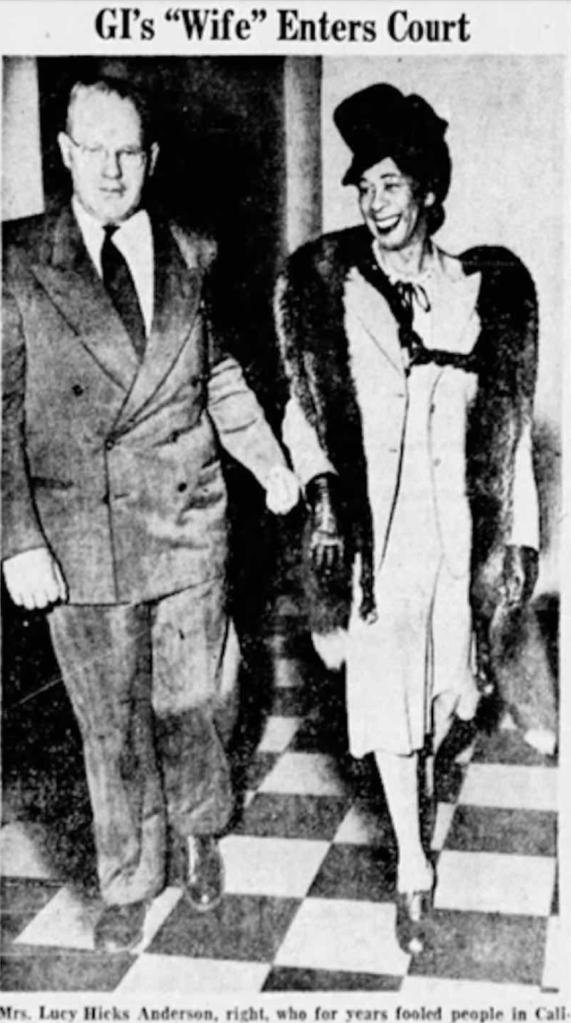
Notice how the newspaper clipping above talked about Lucy’s gender, they gendered her correctly, and implied that she was “fooling” people.
Historically, crossdressing laws were used to incarcerate or institutionalize people because they were transgender. Magnus Hirschfeld gave people certificates in order to avoid prosecution — one of the earliest documented examples of a clinician using medical authority to protect gender-diverse people from state violence.

Otto Spengler (1873–1946): Otto was an early transgender pioneer in the United States who immigrated to New York from Germany in 1892 at age 18. She was among the first trans people documented in U.S. medical literature (1913–1914) and later appeared as “Rudolph H.” in Sex Variants by George W. Henry. She was married to Helene Wasbutzky and raised three children — Valerie, Hildegard, and Alfred; her family was initially supportive of her gender expression at home. She worked as the founder of the Argus Pressclipping Bureau (1902), creating a home-based business that allowed her to dress full-time in feminine attire. She was a public defender of gender expression and argued that women should be free to wear men’s clothing — an idea she got from Mary Walker, suffragette and surgeon — describing freedom of dress as “life and death.” She had become a medical patient of Harry Benjamin who in 1928, at Spengler’s request, prescribed the newly developed progynon (later known as estradiol), an estrogenic hormone, and x-ray sterilization of the testicles. This was Benjamin’s first transgender case. Sources: Zagria; Library of Congress; NYC LGBT Sites
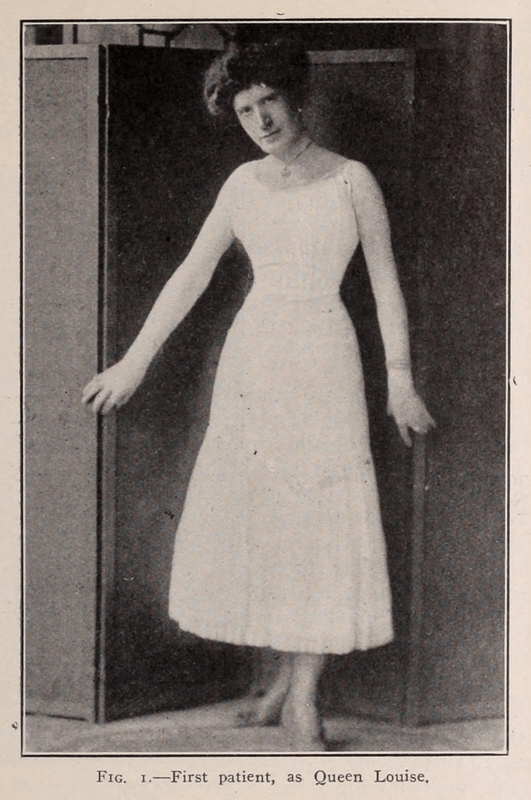
Lili Elbe (1882–1931): Lili Elbe was a Danish painter and one of the first known recipients of gender confirmation surgery, making her a pioneer in the transgender community. She gained recognition as an artist before transitioning. In the 1920s, Elbe learned of the possibility of permanently transforming her body from male to female at the German Institute for Sexual Science in Berlin. Dr. Magnus Hirschfeld founded the clinic in 1919 and coined the term “transsexualism” in 1923. She underwent the first of four operations in 1930 at the Institute. The next three surgeries were conducted in 1930 and 1931 by Dr. Kurt Warnekros at the Dresden Municipal Women’s Clinic. Her story, which highlights the challenges and courage involved in her transition, was later chronicled in the book Man into Woman. Elbe’s life and legacy continue to inspire and resonate, underscoring the struggles and triumphs of early transgender pioneers. More about Lili Elbe

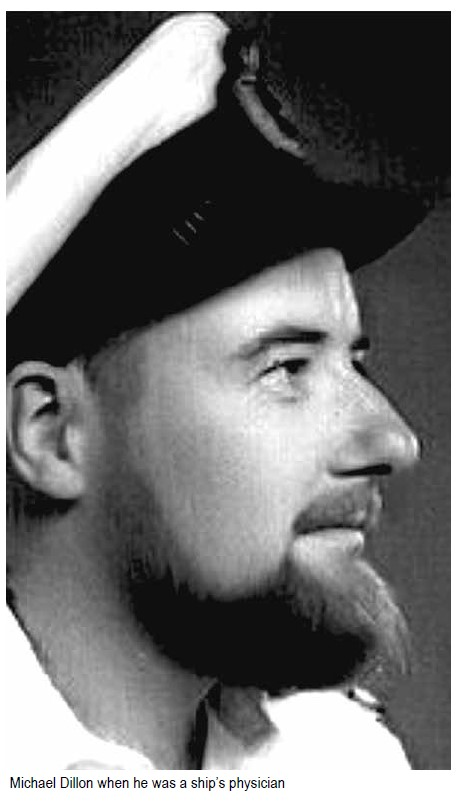
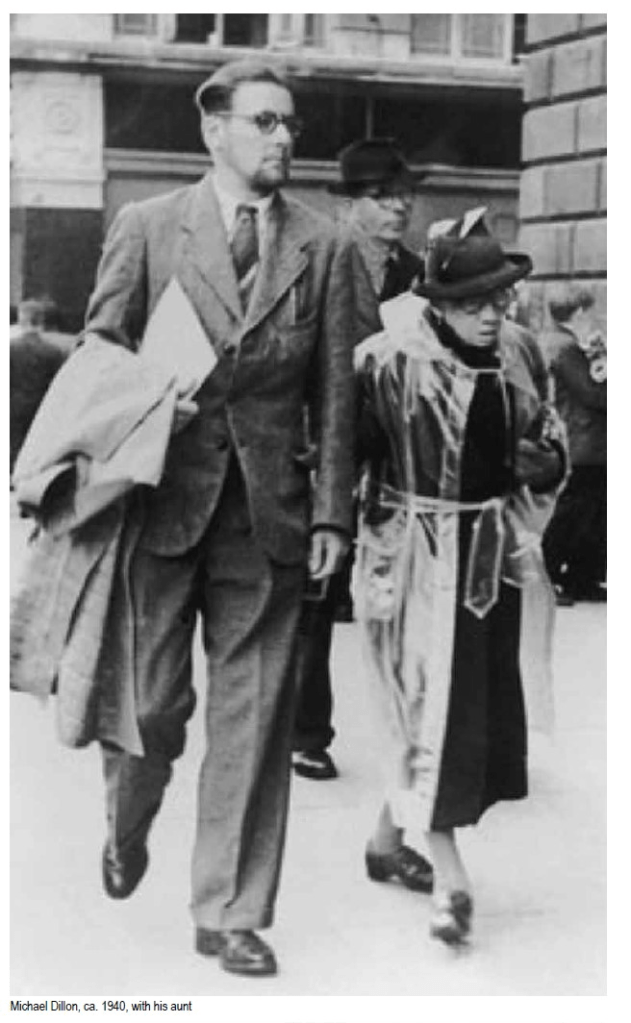
Michael Dillon (1915–1962): Michael Dillon was a pioneering British physician and the first trans man to undergo phalloplasty, significantly advancing medical treatment for transgender individuals. He trained in medicine at St Anne’s College, Oxford, and transitioned in the 1940s, using testosterone and keeping personal diaries that survive as rare historical records. His surgical transition began in the 1940s — the first known recipient of a phalloplasty surgery performed in 13 stages by Sir Harold Gillies, laying the groundwork for modern techniques. Dillon said clearly — decades before medicine caught up — that gender identity and sexual orientation are not the same thing. He also authored Self: A Study in Endocrinology and Ethics, one of the earliest books exploring transgender identity from a personal and scientific perspective. More about Michael Dillon
Roberta Cowell (1918–2011): Once a Spitfire pilot, prisoner-of-war, racing motorist, and parent of two. Cowell studied Engineering at University College London before becoming a Spitfire pilot in WWII, even spending a grim period at Stalag Luft I, a German POW camp, when she crashed a plane near the Rhine River. She was known as a sharp and witty thrill seeker. She wrote to Michael Dillon asking for help in finding doctors to facilitate her transition, after entering an unhappy marriage and realizing she could not live any longer as Robert Cowell. During their first meeting, which Cowell said “will be crystal clear in my memory for the rest of my life,” Dillon immediately confided in her that he was also transgender. Dillon wrote to Sir Harold Gillies in her favor, and she received surgery from Gillies in 1952 — the first known anteriorly pedicled fasciocutaneous tubularized penile inversion flap vaginoplasty, which Gillies and David Ralph Millard devised for her. Notably, Dillon later proposed marriage to Cowell, and she turned him down.
Sources: Thackray Museum; The Independent; Legacy Project Chicago
The following description was taken from the Getty Images website: “Transsexual Roberta Cowell, formerly Robert Cowell admires the Venus de Milo in the Louvre during a visit to Paris. Roberta was once a Spitfire pilot, prisoner-of-war, racing motorist, husband and father of two, but has become a woman following hormone treatment and surgery. Original Publication: Picture Post – 7078 – Roberta Cowell’s Own Story – 3: My Years of Crisis – pub. 1954”

Mid to Late 20th Century
Reed Erickson (1917–1992): Reed Erickson was a pioneering transgender philanthropist and businessman who used his wealth to advance LGBTQ+ rights and transgender visibility. Born in 1917, he transitioned in the 1960s and became one of the earliest openly transgender men in the United States. Erickson founded the Erickson Educational Foundation (EEF) in 1964, which funded groundbreaking research on gender identity and supported numerous LGBTQ+ organizations and projects. The EEF’s support was foundational for early work in the field: it funded the Harry Benjamin Foundation ($60,000), the Johns Hopkins Gender Identity Clinic (GIC) 1966–1979 ($72,000), and sponsored the first three international symposia on the Harry Benjamin International Gender Dysphoria Association (HBIGDA). EEF did educational outreach that helped bring trans identities into broader medical and public awareness. EEF dissolved in 1977, announced at the 5th HBIGDA conference. Sources: University of Victoria Transgender Archives; WPATH history
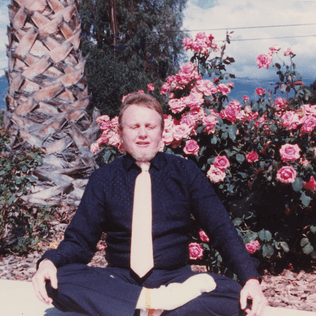

Christine Jorgensen (1926–1989): Born in the Bronx, New York, Christine Jorgensen felt like a girl despite being assigned male at birth. After serving in the U.S. Army, she pursued gender confirmation surgery in Denmark. She was a patient of Harry Benjamin in New York, who treated her and referred her to Dr. Christian Hamburger in Copenhagen, helping establish a U.S. clinical model for trans care. Her treatment team at Copenhagen Municipal Hospital (1951–52) included: Christian Hamburger (endocrinologist; coordinated care and supervised estrogen hormone therapy); Georg Stürup (psychiatrist; conducted psychological evaluation and ongoing support); Erik Dahl-Iversen (surgeon; performed orchiectomy, penectomy, and multi-stage vaginoplasty split thickness skin graft); and Paul Fogh-Andersen (otolaryngologist; performed voice surgery to elevate vocal pitch — an early pioneer in phonosurgery). Jorgensen’s transition received widespread media attention, making her one of the first publicly known trans women in the United States. She chose her name to honor Dr. Hamburger. Much of her personal archives are copyrighted and held by the Royal Danish Library until 2035. Sources: National Archives blog; Royal Danish Library; Hamburger, C., Stürup, G., & Dahl-Iversen, E. (1953). Transvestism: Hormonal, Psychiatric, and Surgical Treatment. Journal of the American Medical Association, 152(5), 391–396. https://jamanetwork.com/journals/jama/article-abstract/285400

Christine Jorgensen became one of the first internationally known transgender public figures and entertainers after her transition.

Marsha P. Johnson (1945–1992): Marsha P. Johnson was an influential American LGBTQ+ activist and drag performer, best known for her pivotal role in the Stonewall Riots of 1969, which marked a significant turning point in the LGBTQ+ rights movement. Born in 1945, Johnson was a prominent figure in the gay liberation movement and co-founded the Gay Liberation Front and the Street Transvestite Action Revolutionaries (STAR) alongside Sylvia Rivera. She was a central figure of the Stonewall riot that ignited the modern LGBTQ+ rights movement. She co-founded STAR — one of the first organizations providing housing and survival support for homeless trans and queer youth. She practiced liberation as care in action — food, shelter, money, protection — long before nonprofits or policy support existed. She refused respectability politics and insisted trans women, especially Black trans women, belonged at the center of LGBTQ+ liberation. She became an enduring symbol of trans joy, resistance, and community care in the face of violence and exclusion. More about Marsha P. Johnson
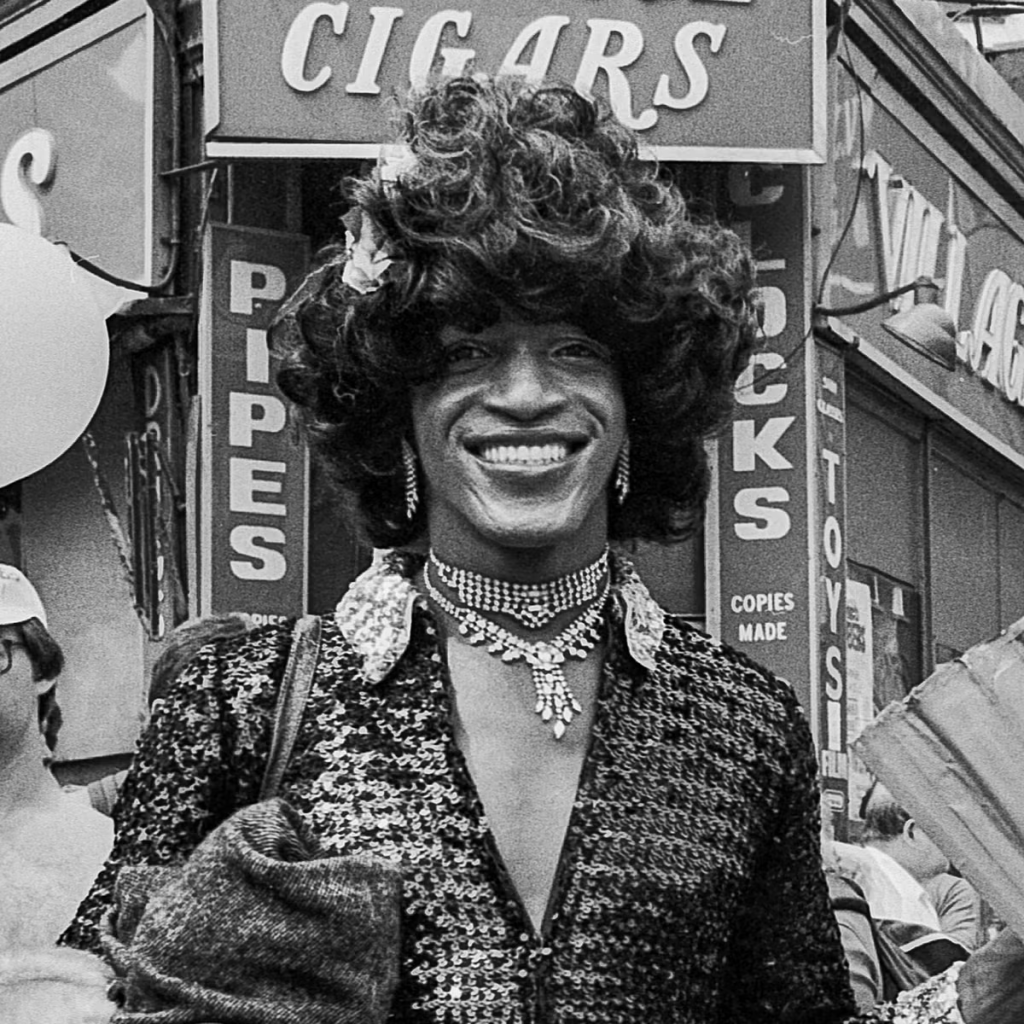
Sylvia Rivera (1951–2002): Central figure in the Stonewall uprising and a fierce advocate for trans liberation when much of the gay rights movement tried to exclude trans people. She co-founded STAR (Street Transvestite Action Revolutionaries) to provide housing and survival support for homeless trans and queer youth — meeting material needs, not just demanding recognition. Rivera relentlessly challenged respectability politics, insisting that liberation meant centering the most marginalized: poor trans women, sex workers, incarcerated people, and queer youth of color. More about Sylvia Rivera

Lou Sullivan (1951–1991): Lou Sullivan made it possible for gay trans men to exist openly — medically, socially, and politically. Sullivan fought — and won — the recognition that trans men could be gay, directly challenging the belief that trans men had to be heterosexual to access care. His advocacy forced clinicians and institutions, including standards of care, to stop denying transition to gay trans men, reshaping access to hormones and surgery. He founded FTM International in 1986 — the first major organization for trans men, providing peer support, education, and visibility at a time when trans men were largely erased. His journals and writings offer one of the most detailed firsthand records of trans masculine life, transition, desire, and community in the late 20th century. He lived openly as a gay trans man with AIDS and insisted on visibility, care, and dignity during the height of the epidemic. More about Lou Sullivan

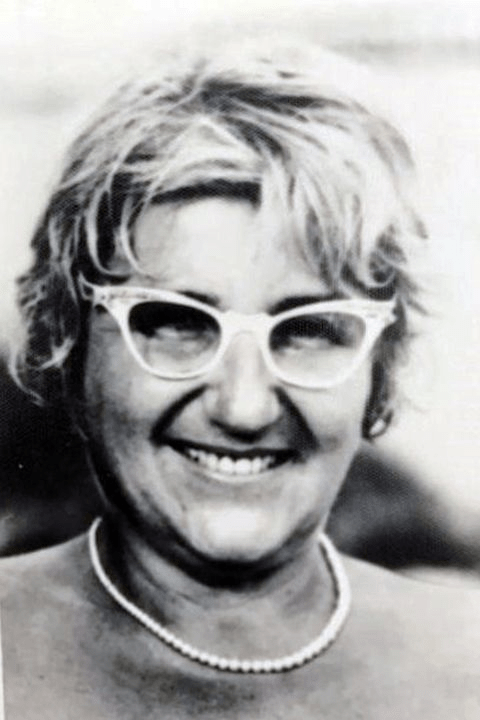
Zelda “Zee” Suplee (1908–1989): Zelda was a major organizer for the Reed Erickson Foundation and HBIGDA (now WPATH). She was also a consulting sexologist, an actress, and a model. She helped people find avenues to care in a time when it was hard to get. More about Zelda Suplee
Contemporary Milestones
Danica Roem: Upon her January 2018 swearing-in, Danica Roem became the first openly transgender person to be elected and serve in a state legislature in U.S. history. She served in the Virginia General Assembly.

Rachel Levine, MD, MPH (1957–present): Dr. Levine practiced as a pediatrician specializing in adolescent medicine, with a focus on eating disorders, mental health, and adolescent development. She served as Physician General of Pennsylvania (2015–2017), then as Secretary of Health for Pennsylvania (2017–January 2021), directing the department through the early COVID-19 response. From March 2021 to January 2025, she served as Assistant Secretary for Health at HHS, overseeing national public health priorities. From October 2021 to January 2025, she served as the first openly transgender Four-Star Officer, an Admiral, in the U.S. Public Health Service Commissioned Corps. Sources: Women’s History
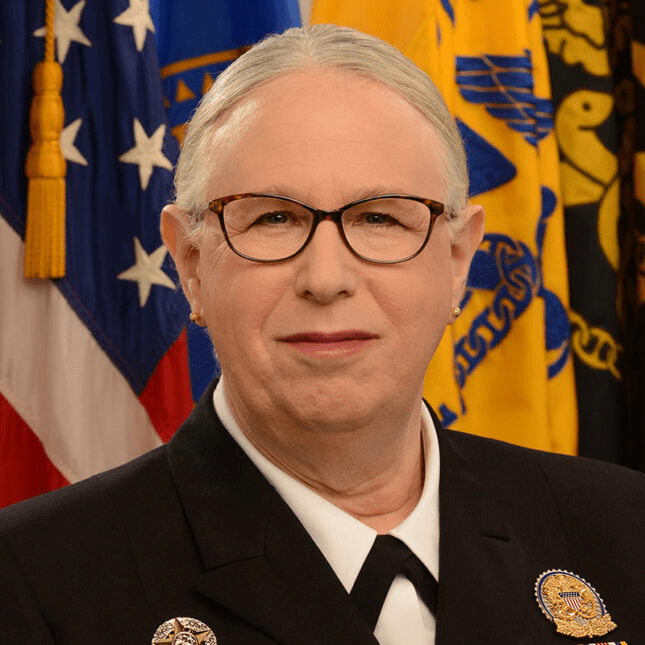
Sarah McBride (1990–present): Sarah McBride is a pioneering transgender activist and politician, known for her leadership in LGBTQ+ rights. In 2020, she became the first openly transgender state senator in U.S. history, representing Delaware’s 1st Senate District. Prior to her election, she served as National Press Secretary for the Human Rights Campaign (HRC) and was instrumental in securing nondiscrimination protections in Delaware. McBride first gained national recognition in 2012 when, as student body president at American University, she came out in an op-ed and later became the first openly trans White House intern under the Obama administration. Throughout her career, McBride has championed healthcare access, LGBTQ+ protections, and broader political representation. Her memoir, Tomorrow Will Be Different, details her personal and political journey. In 2025, she made history once again as the first openly transgender person elected to the U.S. Congress. Source: History.com

Historical Context of Gender-Affirming Care
The British Society for the Study of Sex Psychology (1913)
Though not a clinic, the British Society for the Study of Sex Psychology (BSSSP), founded in 1913, played a crucial role in the advocacy and academic discussion surrounding sexual and gender diversity in the UK. This society was instrumental in advancing the understanding of human sexuality and challenging the legal and social barriers faced by the LGBTQ+ community. Its members included notable figures like Havelock Ellis and Edward Carpenter. The work often required discretion due to legal and social repression. Read more about the BSSSP
Edward Carpenter (1844–1929): Edward Carpenter was a prominent advocate for homosexual rights and gender non-conforming individuals, conducting much of his work in England. He framed same-sex love and gender difference as normal human variation, wrote about them openly and affirmatively, and linked sexual freedom to broader social justice and socialism. He lived these values publicly through his long-term partnership with George Merrill. His book The Intermediate Sex was groundbreaking, offering one of the first positive representations of homosexuality and advocating for the acceptance of diverse gender identities. Sources: Peter Tatchell Foundation; Exploring Surrey’s Past
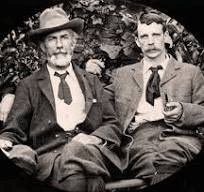
Carpenter on left with his partner George Merrill.


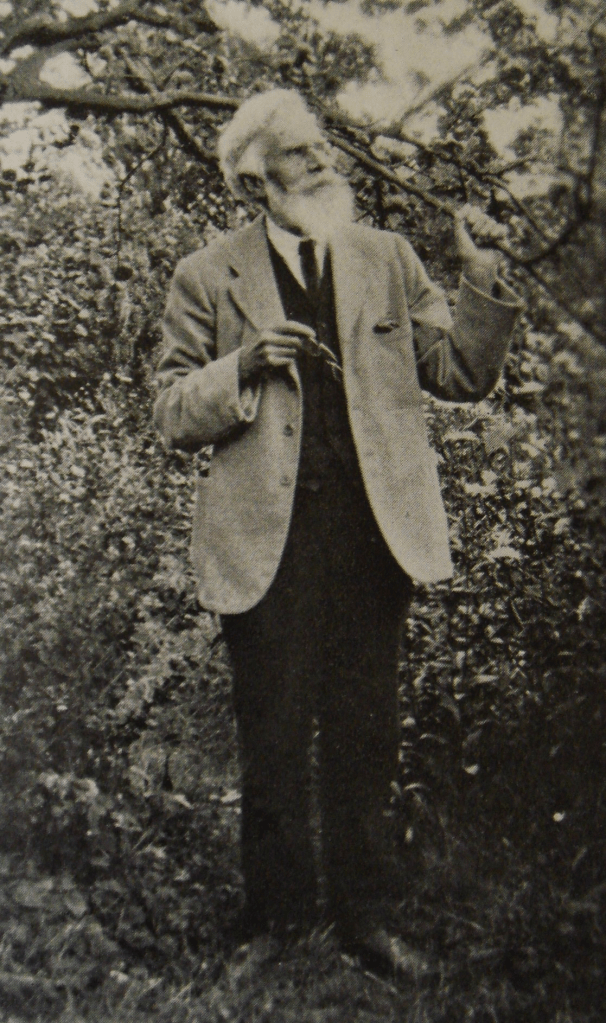
Havelock Ellis (1859–1939): Often considered the father of English sexology, Ellis approached sexuality and gender variance through a clinical lens, arguing that homosexuality was inborn and common, not criminal or immoral. He acknowledged gender difference but often folded it into theories of sexual “inversion,” prioritizing classification over affirmation or social change. Inversion viewed gender and sexuality as fused. His marriage to Edith Lees Ellis — a feminist — was largely sexless and intentionally unconventional; Edith had relationships with women, including Margaret Sanger, and their marriage informed Ellis’s thinking on sexuality and gender. His work, particularly Studies in the Psychology of Sex, was foundational in exploring a wide range of sexual behaviors and identities. Sources: State Library NSW; Gutenberg — Studies in the Psychology of Sex
Magnus Hirschfeld’s Institute for Sexual Science (Institut für Sexualwissenschaft)
Established in 1919 in Berlin, Germany, the Institute for Sexual Science was one of the pioneering facilities in the world dedicated to the study and treatment of sexual and gender diversity. Founded by Dr. Magnus Hirschfeld — a gay German Jewish physician, sexologist, and activist known around the world — the institute was groundbreaking in its comprehensive approach. It provided hormone therapy, psychological counseling, and gender confirmation surgeries, which were revolutionary at the time. The institute not only offered medical and psychological support but also functioned as a research center and a hub for advancing civil rights for the LGBTQ+ community.
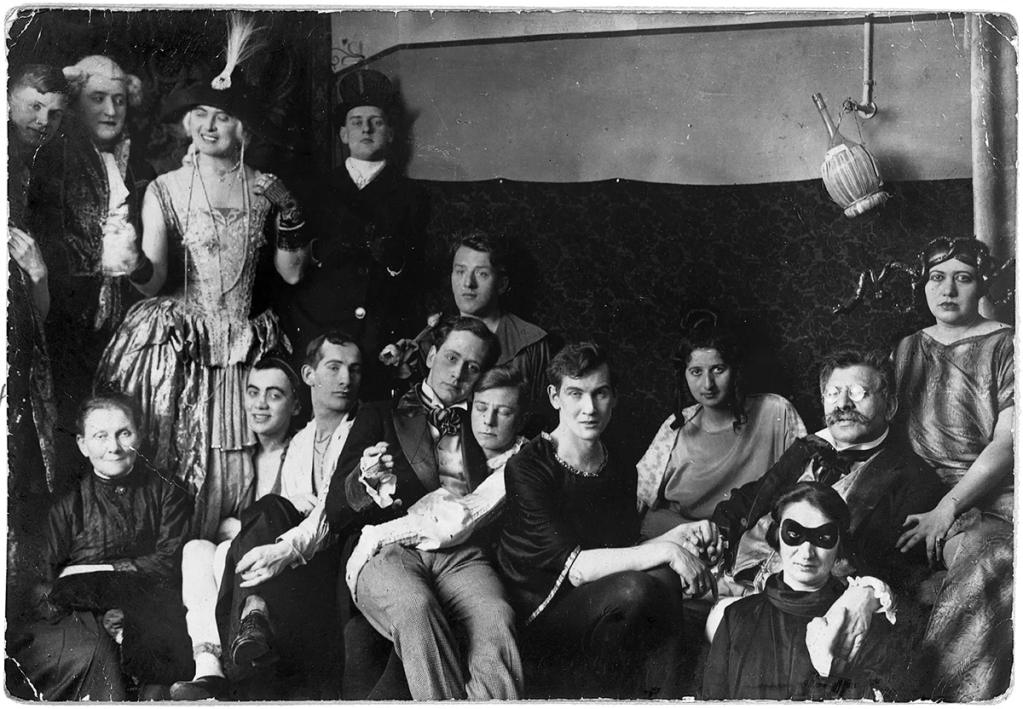
Costume party at the Institute for Sexual Research in Berlin, date and photographer unknown. Magnus Hirschfeld (in glasses) holds hands with his partner, Karl Giese (center). Scientific American — The Forgotten History of the World’s First Trans Clinic
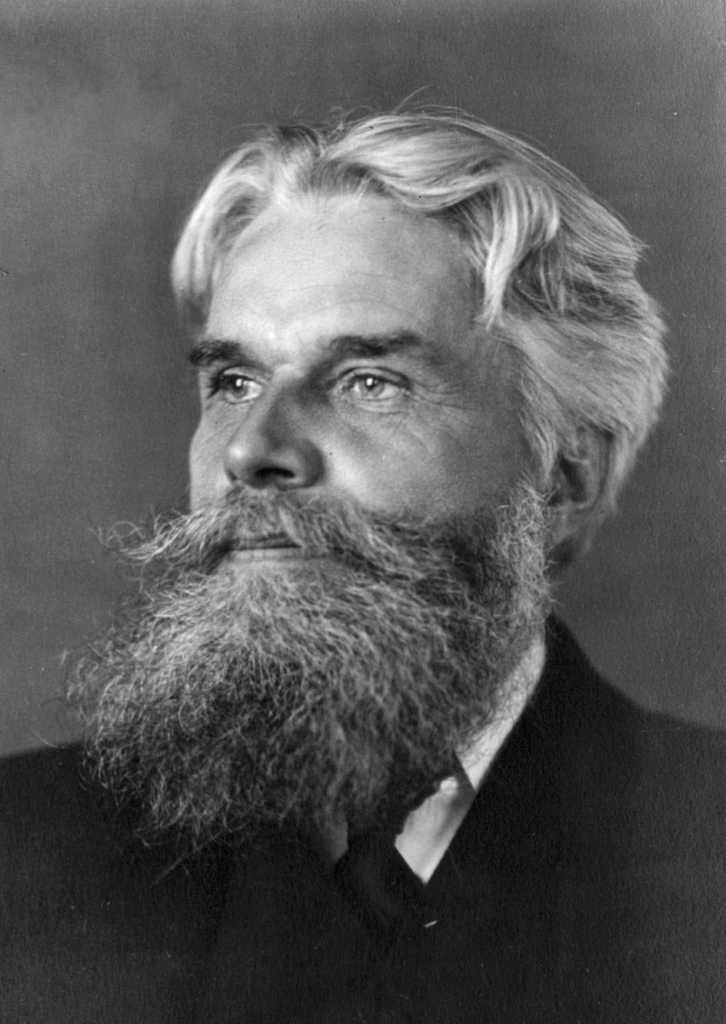
Magnus Hirschfeld (1868–1935): In 1897, Hirschfeld founded the Scientific-Humanitarian Committee with the motto “justice through science,” petitioning to repeal Paragraph 175, the law criminalizing homosexuality in Germany — the first gay rights organization globally. He was gay, but did not publicly come out; homosexuality was illegal in Germany. He founded the Institut für Sexualwissenschaft in 1919. He was a leading researcher on sexuality and gender in the early 20th century and traveled extensively, including across China with his partner Li Shiu Tong, on public radio reaching hundreds of thousands of people.
Hirschfeld shared his life and the Institute with two partners: Karl Giese and Li Shiu Tong. All three lived together at the Institute, which was not merely a clinic and research center but their home and their community. Karl Giese was an archivist and Hirschfeld’s long-term partner, deeply embedded in the Institute’s work of cataloging and preserving its extraordinary library and archive. Li Shiu Tong was Hirschfeld’s protégé and later partner, who became a sexologist and activist in his own right. After Hirschfeld’s death in 1935, Li Shiu Tong moved to Vancouver, BC, Canada, where he lived until his death in 1993 — carrying with him knowledge, relationships, and materials from the Institute that survived the Nazi destruction. His presence in Vancouver for decades represents a living thread of continuity between Hirschfeld’s work and the North American LGBTQ+ community.
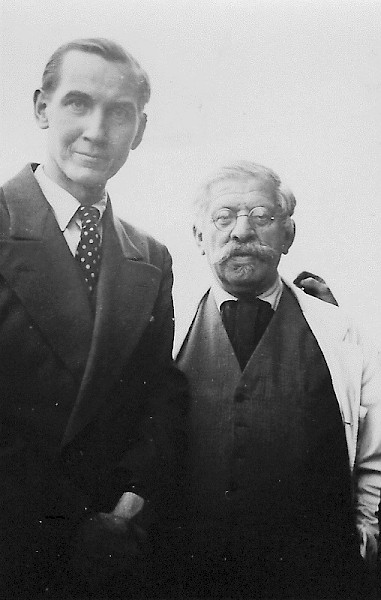
Karl Giese above and Li Shiu Tong Below with Hirschfeld.

Karl Giese did not survive the war. He died in a Nazi concentration camp in 1938. Hirschfeld himself died on his 67th birthday in 1935 while exiled in Nice, France. He had eaten too many pastries, and was a diabetic, which caused a heart attack and ended his life after his birthday celebration. Hirschfeld had been away on a lecture tour when the Nazis destroyed the Institute in 1933. The iconic images from World War II of Nazis burning books depict the tragic destruction of this institute’s invaluable library, which included thousands of volumes on sexual science — the largest repository of transgender history and resources in the world at that time. Sources: Science Museum blog; USHMM; The Tyee — Li Shiu Tong; Bad Gays podcast; Jewish Transgender Pioneers

Clinical services at the Institute included: double mastectomy (chest surgery) for trans men seeking chest reconstruction; hormone therapy for transgender women, including estrogen supporting breast development and softer secondary sex characteristics; psychological and psychosocial counseling; and broader clinical services including heterosexual couples, marriage counseling, and sexually transmitted disease prevention. Testosterone was not yet available — it was first synthesized in 1935 (medical use beginning in 1939), limiting hormonal options for trans men at the time. Institut für Sexualwissenschaft
Patients and People of the Institute
Gerd Katter (1910–1995): Katter was a construction apprentice when he approached the Institute. In 1926 at age 16, after a prior attempt at self-surgery, Katter received a lifesaving, medically necessary, gender-affirming double mastectomy — one of the earliest documented gender-affirming chest surgeries. He was previously denied care because of his age; the Institute provided it when no one else would. We do not know what happened to Gerd during Nazi rule, but he survived and lived in East Germany after the war, known in his local community for his talent as an actor, singer, and MC. Gerd Katter passed away in 1995 at age eighty-five. Sources: Pink Triangle Legacies; USHMM

Dora Richter (1896–1966): Dora was a lacemaker who lived and worked in Berlin in 1920 and is often described as part of the circle of people who helped make trans life visible in Weimar Berlin. In 1931, she received the first operation for the creation of a neovagina in a transgender patient at Hirschfeld’s Institute — a split thickness skin graft gender-affirming vaginoplasty performed by Erwin Gohrbandt. After the Nazi destruction of Hirschfeld’s Institute in 1933, many of its patients were persecuted. Richter was later arrested and sent to a concentration camp (likely Ravensbrück), and is believed to have lived until 1966 (https://lili-elbe.de/blog/2024/09/dora-lived/). Her life is often cited in modern scholarship as an example of how early trans people were specifically targeted under Nazism. Sources: Boston Globe; Gold Journal — history of vaginoplasty


Lili Elbe (1882–1931): (See full profile in Gender Diverse People Throughout History above.)

Charlotte Charlaque (1892–1963) and Toni Ebel (1881–1961): Charlotte Charlaque and Toni Ebel were a German transgender lesbian couple and patients of Dr. Magnus Hirschfeld, both receiving gender-affirming surgery at the Institute of Sexual Science. Charlotte was an actor and teacher; Toni was a painter. The couple separated during WWII exile, settling in New York City and East Germany respectively. Though they never reunited, they exchanged letters into the 1940s. Their story represents one of the earliest documented transgender lesbian relationships in history. Source: University of Michigan
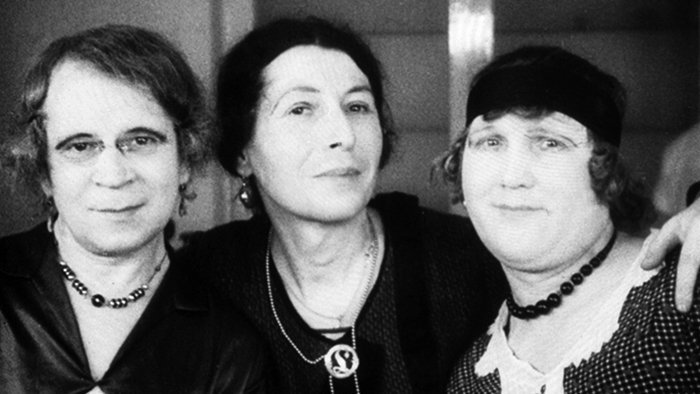
Charlotte, Toni and Dora Richter above all featured in Mysterium des Geschlechtes (1933) https://www.imdb.com/de/title/tt1020977/
Mysterium des Geschlechtes (1933), an Austrian film recently rediscovered by the Austrian Film Archive, is a crude hybrid of fiction and medical documentary. Advertised as a “major film on sex research” addressing sexual problems “in an interesting and discreet manner,” it ran for roughly two weeks in Viennese cinemas in April 1933 before being banned. A framing narrative follows two medical students studying sexology — their wooden dramatic scenes serve mainly as connective tissue between detailed documentary footage of surgical sex reassignment and testicular transplant rejuvenation procedures. The film also covers eugenics and birth control.
Early in the film, the students visit an unnamed gay bar, which stands apart cinematically from the rest of the film. An unusually broad range of contemporary homosexual types is depicted, culminating in a melodramatic transvestite transformation scene — though same-sex attraction remains pathologized throughout.
Though repulsive by contemporary standards in both its surgical imagery and its framing of transsexuality and homosexuality, it remains a significant historical document for LGBTQ+ history in Austria. https://www.qwien.at/en/qwien-tipp/mysterium-des-geschlechtes/
Surgeons of the Institute
Erwin Gohrbandt (1898–1965): Gohrbandt was a surgeon at the Institut für Sexualwissenschaft from the 1920s until 1933. Working within Hirschfeld’s multidisciplinary team of psychology, endocrinology, and surgery, he performed early genital surgeries for transgender people including orchiectomy, penectomy, and early reconstructive procedures, and performed the 1931 split thickness skin graft vaginoplasty for Dora Richter — the first such surgery for a transgender patient. After the Nazi destruction of the Institute in May 1933, Gohrbandt continued his medical career within Nazi Germany. He did not go into exile, and there is no evidence of continued trans-related surgery after 1933. His name appeared in Nuremberg Doctors’ documentation, but he was not a defendant. After the war he remained in Germany and continued practicing medicine. Sources: Science Museum blog; Zagria; Wondrous Transformations

Ludwig Levy-Lenz (1889–1966): Ludwig Levy-Lenz was principal surgeon at Magnus Hirschfeld’s Institut für Sexualwissenschaft from the 1920s until 1933. He performed some of the earliest genital surgeries for transgender patients including orchiectomy and penectomy, working within Hirschfeld’s multidisciplinary model of care: psychological evaluation, early endocrine treatment, and surgery. He was part of Berlin’s early gender-affirming care network alongside Hirschfeld and Gohrbandt. His career at the Institute ended in 1933 when the Nazis destroyed Hirschfeld’s Institute. He was forced to flee Germany and was later stripped of German citizenship. He moved to Paris and was forced to flee again in 1936. He settled in Egypt, establishing a successful surgical practice in Cairo where he continued performing gender-affirming procedures in exile. In 1964, he performed surgery for transgender woman Jeanette Schmid (1924–2005) at his Cairo clinic. Sources: Jewish Transgender Pioneers; Wondrous Transformations; Zagria
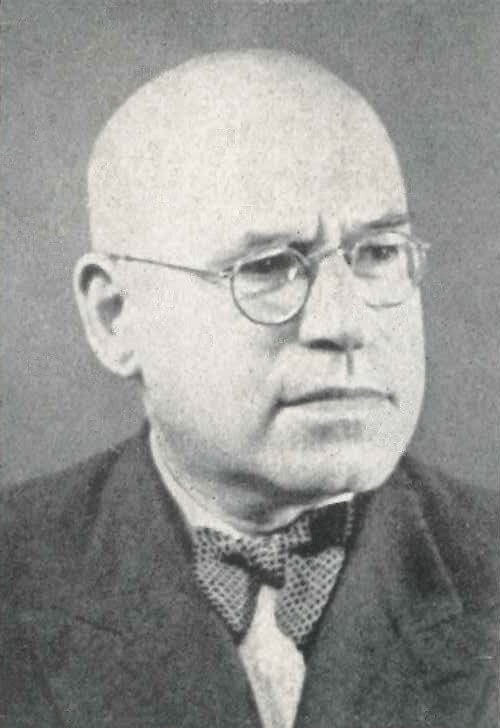
Accessible Hormone Therapy: A Chronological History
Affordable Hormone Therapy
Outline
People
- Adolf Butenandt (1903–1995) — German biochemist; isolated estrone (1929) and androsterone (1931); co-developed testosterone synthesis (1935); Nobel Prize in Chemistry, 1939
- Eugen Steinach (1861–1944) — Austrian physiologist; established the theoretical foundation for gonadal hormone research; later worked directly on standardizing a female hormone product with Schering
- Christian Hamburger (1904–1992) — Danish endocrinologist; head of the Hormone Department, Statens Serum Institut, Copenhagen; documented the postwar scale of demand for transition-related care
- Russell Earl Marker (1902–1995) — American chemist; not connected to Hirschfeld’s Institute or any trans patient, but his work marks the endpoint of this page’s central story: he developed a plant-based synthesis that ended the era of hormones being scarce, biologically-extracted, and expensive
Institutions
- Institut für Sexualwissenschaft (Hirschfeld’s Institute), Berlin — founded 1919, destroyed by Nazis in 1933; administered hormone therapy and surgery to transgender patients
- Institute for Experimental Biology (“the Vivarium”), Vienna — where Steinach conducted his gonad-transplantation research from 1912
- Schering AG, Berlin — founded 1851; the pharmaceutical company that manufactured and commercialized the hormone products (Progynon, Testoviron) used at the Institute
Timeline of Hormone Isolation, Synthesis, and Acquisition
- 1851 — Ernst Schering opens a pharmacy in Berlin; becomes Schering AG
- 1912 — Steinach becomes research director at the Vivarium in Vienna, begins gonad-transplantation experiments
- 1919 — Institut für Sexualwissenschaft opens in Berlin
- 1922 — Dora Richter undergoes an orchiectomy at the Institute
- 1923 — Schering begins formal research into sex hormones
- 1924 — Schering intensifies its research partnership with Steinach
- 1925 — Steinach shifts to studying female hormones directly
- 1926 — Gerd Katter receives a double mastectomy at the Institute
- 1927 — Schering merges with C.A.F. Kahlbaum to form Schering-Kahlbaum AG
- 1928 — Schering-Kahlbaum launches Progynon, a crude estrogen extract — the first hormone product on the market
- 1929 — Butenandt isolates pure, crystalline estrone — the first purification of a female sex hormone
- 1930 — Kurt Warnekros performs an ovarian transplant on Lili Elbe
- 1931 — Butenandt isolates androsterone; Elbe undergoes a fatal uterine transplant; Richter’s penectomy and vaginoplasty completed
- 1933 — The Institute is destroyed by the Nazis; Christian Hamburger becomes head of the Hormone Department in Copenhagen
- 1935 — Butenandt and Hanisch achieve full chemical synthesis of testosterone
- 1937 — Schering-Kahlbaum is renamed Schering AG
- 1938 — Schering chemists develop ethinylestradiol; Steinach flees Vienna following the Anschluss
- 1939 — Testosterone enters medical use; Butenandt is awarded the Nobel Prize in Chemistry
- 1938–40 — Russell Marker develops the “Marker degradation,” a process for synthesizing progesterone from Mexican yams
- 1944 — Marker founds Syntex in Mexico City with Emeric Somlo and Federico Lehmann, producing 3 kg of progesterone (worth ~$240,000) from 10 tons of yam
- 1944 — Steinach dies in Montreux, Switzerland
- 1945 — Marker splits from Syntex in a dispute over profits; George Rosenkranz is hired to replace him
- 1951 — Rosenkranz, Djerassi, and Miramontes synthesize norethisterone at Syntex, a key step toward the first oral contraceptive pill; the same team also synthesizes cortisone
- 1952 — Christine Jorgensen’s transition becomes internationally publicized
- 1953 — Hamburger publishes his study of 465 letters documenting demand for transition care
- 1956 — Progynon-Depot and Testoviron-Depot return to market postwar
- 1961 — Schering introduces Anovlar, the first oral contraceptive available in Europe
Before the 1940s, sex hormones were recognized in medicine but not available for treatment. Although estrogen, progesterone, and testosterone were identified and described — the 1930s being called “the Decade of the Sex Hormones” — using them required difficult processes to extract from biological sources like urine from pregnant women and tissue from bull testes. This resulted in small quantities, making hormone therapy expensive and largely inaccessible for most patients and clinicians. Since its opening in 1919, Hirschfeld’s Institute was providing surgical and hormonal treatments for transgender patients. Dora Richter started her medical transition there in 1922 with an orchiectomy performed by surgeon Erwin Gohrbandt and became the first known person to have complete male-to-female gender-affirming surgery with a penectomy and vaginoplasty in 1931. Her physical changes after 1922 were seen as a direct result of her orchiectomy, not from hormone medication. Doctor Felix Abraham, who observed her case, noted that the surgery made her body fuller, reduced her beard growth, and led to early breast development and a more feminine fat distribution due to the removal of her main androgen source.
It is worth being precise about sequence here, since it is easy to get backwards: the Institute was administering hormone-rich extracts before any sex hormone had been chemically isolated in pure form. Schering’s crude estrogen extract, Progynon — originally made from ovarian and placental tissue — reached the market in 1928. Adolf Butenandt’s isolation of pure, crystalline estrone did not happen until 1929, a year later. The Institute’s own hormonal treatments date back further still, into the 1920s. Chemical isolation was a milestone in understanding the hormone’s exact molecular structure; it was not a precondition for a crude but hormonally active extract to be manufactured, sold, and administered to patients.
What the Institute Was Using and Where It Came From
The Institut für Sexualwissenschaft was administering hormone therapy to transgender patients throughout the 1920s and into the early 1930s, making it one of the earliest documented clinical programs to do so anywhere in the world. Oestrogen allowed trans women to grow natural breasts and develop softer features. Testosterone was not synthesised until 1935 and was not used medically until 1939, so it was not yet an available treatment for trans men at the Institute. (Science Museum Blog)
The estrogen the Institute used was progynon — manufactured by the German pharmaceutical company Schering AG, originally extracted from ovarian and placental tissue, with Schering subsequently switching for economic reasons to the urine of pregnant women as its primary source. (Policy Matters Ohio) This was the state of the art. Before chemical synthesis, estrogen existed only as something you could extract from biological material — and the quantities were limited, the process laborious, and the product expensive precisely because there was no efficient way to produce it at scale. Berlin in the 1920s and early 1930s was home to both the Institut für Sexualwissenschaft and Schering AG, the pharmaceutical company whose researchers were actively synthesizing the hormones Hirschfeld’s patients needed.
Adolf Butenandt and the Chemistry Behind the Estrogen

Working in collaboration with biochemist Adolf Butenandt (1903–1995), Schering collected human pregnancy urine on an industrial scale; in 1929, Butenandt isolated approximately 20 milligrams of crystalline estrone from roughly 18,000 liters of that urine, marking the first purification of a female sex hormone — the same compound being administered to trans women at the Institut down the street. By 1931, Schering had arranged daily deliveries of over 17,000 liters of men’s urine from the Berlin police, from which Butenandt extracted androsterone, a precursor to testosterone (cited quantities for this 1931 isolation vary by source — Oxford Reference gives 15 milligrams from roughly 3,960 gallons, while other accounts put it at 50 milligrams from the larger daily volume). In 1935, Butenandt and Hanisch achieved the full chemical synthesis of testosterone from cholesterol, while Schering commercialized both hormones — as Progynon (estrogen) and Testoviron (testosterone). Butenandt’s extractions from biological material remained the primary method of hormone production until Russell Marker’s plant-based synthesis in the 1940s made mass production possible for the first time.
For this body of work, Butenandt was awarded the 1939 Nobel Prize in Chemistry, “for his work on sex hormones,” sharing the prize equally with Leopold Ružička; the Nazi government forced him to decline it at the time, though he later received the diploma and medal. Butenandt went on to direct the Kaiser Wilhelm Institute for Biochemistry in Berlin-Dahlem from 1936, and later served as president of the Max Planck Society from 1960 to 1972. The scholarly record documents this as a tightly integrated system — Schering, Butenandt, and Berlin’s clinical networks operating in explicit collaboration to transform sex steroids from biological curiosities into pharmaceutical products. (Nobel Prize official facts page, nobelprize.org; Oxford Reference; Akhtar & Akhtar, 1998, Biographical Memoirs of Fellows of the Royal Society)
Schering AG and the Origins of Commercial Sex Hormones

Schering AG began in 1851, when Ernst Schering opened a pharmacy called the Grüne Apotheke (“Green Pharmacy”) in Berlin’s Chausseestrasse. The business incorporated as a stock company, Chemische Fabrik auf Actien, in 1871, and by the 1880s and 1890s had established its own scientific laboratory and was marketing pharmaceutical products. Sex hormones did not become part of that portfolio until the 1920s.(Science Museum Group Collection)
Schering’s research into sex hormones formally began in 1923, the same period Hirschfeld’s Institut für Sexualwissenschaft in Berlin was already administering hormone therapy to transgender patients. In 1924, Schering intensified a research partnership with Eugen Steinach and his assistant Walter Hohlweg to develop a standardized hormone preparation — the collaboration that would eventually produce a commercial estrogen product. In 1927, Schering merged with the Berlin chemical company C.A.F. Kahlbaum GmbH to form Schering-Kahlbaum AG, the entity through which Steinach’s female-hormone research was industrialized.(Science Museum Group Collection)
In 1928, Schering-Kahlbaum introduced Progynon, its first hormone preparation and the first orally active estrogen product brought to market — originally an ovarian and placental extract, later switched to pregnant women’s urine as a cheaper source. This was the same estrogen supplied to the Institut für Sexualwissenschaft for use with trans women. Schering’s parallel work on the male side, in partnership with biochemist Adolf Butenandt, produced androsterone in 1931 and full testosterone synthesis in 1935 — commercialized as Testoviron. By 1932, Schering-Kahlbaum had semi-synthetic estradiol and Proluton (a progesterone preparation) on the market, along with Proviron, its first androgen preparation for treating male hormone-related conditions.(Science Museum Group Collection)
In 1937, after Kokswerke und Chemische Fabriken AG acquired full ownership of Schering-Kahlbaum, the company was renamed Schering AG — the name it would carry until its 2006 merger with Bayer. In 1938, Schering chemists Hans Herloff Inhoffen and Walter Hohlweg developed ethinylestradiol, a synthetic oral estrogen that remained a component of oral contraceptive pills into the 21st century — a direct continuation of the hormone research line that had begun with Steinach and the original Progynon in the 1920s.(Science Museum Group Collection)
Schering’s Berlin facilities were heavily damaged in a November 1943 Allied air raid, and in 1945 the company’s production and distribution network was dismantled, expropriated, or confiscated worldwide, with the Schering trademark lost in many markets. Postwar, Schering rebuilt around its hormone expertise: Progynon-Depot (estrogen) and Testoviron-Depot (androgen) both returned to market in 1956, and in 1961 Schering introduced Anovlar, the first oral contraceptive available in Europe — the commercial descendant of the same estrogen chemistry first developed for Progynon in the 1920s.(Science Museum Group Collection)
Eugen Steinach and the Vivarium

The endocrine theory underlying all of this — that hormones produced in the gonads shaped sex-typical characteristics and could be influenced by clinical intervention — traces largely to Eugen Steinach (1861–1944), an Austrian physiologist and endocrinologist born January 27, 1861, in Hohenems, into a family of physicians. Steinach earned his medical degree at the University of Vienna in 1886 after studying natural science in Geneva, then spent over a decade as a research assistant at the Physiological Institute in Innsbruck (1886–98). In 1912 he became research director of the Department of Physiology at Vienna’s Institute for Experimental Biology, known as the “Vivarium,” where he conducted the gonad-transplantation experiments that made him internationally known — and internationally controversial.

Left: The Vivarium’s building was originally built for the 1873 World’s Fair, then modified in 1902 for state-of-the-art experimental research. Right: During the final days of the fighting in Vienna, the Vivarium was the site of heavy shelling. It was destroyed by the resulting fire.Austrian Academy of Sciences (OAW) / ONB/Wien, Smeikal https://mitpress.mit.edu/9780262036702/vivarium/
Steinach’s central scientific contribution was establishing the testicular interstitial cells, now known as Leydig cells, as the source of gonadal hormones, and hypothesizing that steroid hormones act directly on the brain to shape sexual behavior. This was foundational: it gave Hirschfeld’s clinical program, and later Harry Benjamin’s, a physiological rationale for using hormones therapeutically rather than merely observing their effects. Steinach’s key publication, “Beiträge zur Analyse der Sexualhormonwirkung” (with H. Kun and O. Peczenik), appeared in Wiener klinische Wochenschrift, vol. 49 (1936), pp. 899–903. Despite the influence of this work, Steinach was nominated for the Nobel Prize in Physiology or Medicine at least nine times between 1920 and 1938 and was never awarded it. In March 1938, following the Anschluss, Steinach’s scientific career effectively ended: his library was confiscated and his research materials destroyed. He and his wife, both Jewish, were on a lecture tour in Switzerland when Germany annexed Austria, and the Swiss government granted them permanent residence; they never returned home. His wife died by suicide in Zurich in September 1938. Steinach died alone in Montreux, Switzerland, in May 1944.(Embryo Project Encyclopedia, Arizona State University)
Harry Benjamin, who visited Hirschfeld at the Institute regularly through the 1920s and early 1930s, championed the so-called Steinach operation in the 1920s — a procedure intended to slow the aging process, devised by Steinach, who postulated that a unilateral vasoligation would stimulate the interstitial cells of the testes to produce greater amounts of hormone. As more commercial hormone products became available — estrogens in the late 1920s and androgens in the mid-1930s — Benjamin began to offer them to aging patients as well. The Steinach operation was later disproved as a rejuvenation therapy, but the underlying endocrine science — that hormones produced in the gonads shaped sex-typical characteristics and could be influenced by intervention — was the intellectual foundation on which both Hirschfeld’s clinical hormone work and Benjamin’s later transgender care practice were built.
Steinach’s theories had a direct and tragic consequence within trans history itself. Kurt Warnekros, the Dresden gynecologist who performed all but the first of Lili Elbe’s four surgeries, carried out an ovarian transplant in 1930 and a uterine transplant in 1931 as part of her transition. The scholarly annotated edition of Elbe’s own case narrative, Man Into Woman (1933), states that the medical justification for the ovarian transplant explicitly invoked “the work of the Steinach school” — the reasoning being that transplanting ovarian tissue would activate dormant rudimentary ovaries theorized to be present in her abdomen, per Steinach’s findings. Elbe’s body ultimately rejected the final uterine transplant, and she died of the resulting complications in September 1931. There is no evidence Steinach personally examined Elbe or advised Warnekros directly — the connection is textual and theoretical, not personal — but it is a documented, explicit instance of his research being invoked as the scientific justification for a procedure that contributed to her death. It is a sobering counterpoint to Steinach’s legacy: the same body of research that helped make hormone therapy for trans women conceptually possible was also cited as grounds for one of the earliest deaths in trans medical history. (Lili Elbe Digital Archive, annotated edition of Man Into Woman, lilielbe.org)
Steinach’s Search for a Standardized Female Hormone
Steinach’s work in hormone research went beyond theory. In 1925, after over a decade of focusing on male rejuvenation, he began studying female hormones and sexual behavior. By the 1930s, researchers had isolated a partially effective natural female hormone called Emmenin, but a more potent, cost-effective oral estrogen was still needed. Steinach tested female rats by injecting them with ovarian and placental extracts to see how higher hormone levels influenced aging. His experiments attracted the attention of the chemical industry, leading to a partnership with Schering-Kahlbaum Corporation in Berlin. Steinach contributed to creating an early standardized, purified solution of female hormones for clinical use, later branded as Progynon-B, an injectable and oral estrogen that was used well into the twenty-first century, linking his research directly to the commercial hormone pipeline at the Institut für Sexualwissenschaft.
What the Institute Could Not Do for Trans Men
The asymmetry between trans women and trans men in the Institute’s hormone program is clinically significant and often overlooked. Trans women could receive estrogen — impure, expensive, and extracted from biological sources, but available. Trans men had no equivalent. Testosterone was not synthesised until 1935 and was not used medically until 1939, so it was not yet an available treatment for trans men at the Institute. This meant that trans men at the Institute — including Gerd Katter, who received a double mastectomy there in 1926 — could access surgical interventions but not hormonal masculinization. The chest surgery Katter received was lifesaving and gender-affirming, but the full spectrum of hormonal transition available to trans women simply did not exist for trans men during the entire period the Institute operated. The Institute was destroyed in 1933 by Nazis — six years before testosterone became medically available.
The Connection to Vienna
The hormone work at the Institute did not emerge in isolation. Hirschfeld maintained close professional relationships with the Viennese endocrine research network, particularly Eugen Steinach, whose experiments with gonadal hormones and sex glands in the 1910s and 1920s provided part of the theoretical framework for using hormones to influence sex-typical characteristics. Berlin’s more liberal Weimar-era intellectual climate allowed this work to move from laboratory theory into clinical practice in a way that Vienna’s more conservative Catholic environment did not — which is why the Institute became the first place in the world where transgender patients could actually receive hormone therapy rather than merely read about its theoretical possibility. (Science Museum Blog; Li, 2023, “Harry Benjamin and the birth of transgender medicine,” CMAJ)
In the interwar period — especially the 1920s — Vienna was an important center for research and public fascination with endocrine science and the “sex glands.” Steinach’s laboratory work helped establish key ideas about gonadal hormones and their effects on physiology and sexual behavior, and he is especially associated with the “Steinach operation” (a vasoligation/vasectomy-based rejuvenation procedure) that became widely discussed in the 1920s and 1930s. Although later discredited as a rejuvenation cure, it drew major medical and cultural attention, and it was pursued by notable figures including Sigmund Freud, who underwent the procedure in November 1923 — performed by urologist Victor Blum at the urging of his friend Paul Federn — in hopes it would help combat his jaw cancer and general fatigue. (Benmoussa et al., 2020, Andrology)
While Steinach and his colleagues in Vienna focused on physiological and hormonal studies, Magnus Hirschfeld in Berlin took a more holistic approach, integrating social, psychological, and medical perspectives on gender and sexuality. In Vienna, the work was often conducted discreetly due to Austria’s conservative social and religious landscape. In contrast, Hirschfeld’s institute operated in the more liberal Weimar Germany, advocating for sexual reform and human rights, and emphasizing personal autonomy and informed consent in medical treatments. This polarization contributed to the rise of extremist ideologies, with Nazi rule exploiting these tensions and leading to the persecution of marginalized groups and the suppression of progressive sexual science, including the targeting of Hirschfeld’s institute. (See: Eldorado: Everything the Nazis Hate)
Christian Hamburger and the Postwar Shift to Denmark

The Institute’s destruction in 1933 did not end the clinical use of hormone therapy for transgender patients — it displaced where and how that care could happen. By the early 1950s, the center of gravity had shifted to Copenhagen, where Christian Hamburger (1904–1992), a Danish endocrinologist, ran the Hormone Department at the Statens Serum Institut. Hamburger completed his medical training in Copenhagen between 1928 and 1932, began working in endocrinology in 1930, and completed his doctoral thesis in 1933 — the same year the Berlin Institute fell — becoming head of the Hormone Department at the Statens Serum Institut. A 1936 Rockefeller Foundation scholarship took him to New York for six months of study. After the war, he co-founded the Danish Society for Endocrinology in 1947, serving as its chairman until 1972, and shaped the field editorially as associate and then chief editor (1960–73) of Acta Endocrinologica — the journal now known as the European Journal of Endocrinology.
Hamburger’s clinical research centered on hormone chemistry and endocrine disorders at the Hormone Department, but his most historically significant publication grew directly out of transgender patient demand. Hamburger treated Christine Jorgensen, whose 1952 transition became internationally famous and triggered an enormous wave of public interest. In response to the flood of correspondence that followed, Hamburger published “The Desire for Change of Sex as Shown by Personal Letters from 465 Men and Women” in Acta Endocrinologica, vol. 14, no. 4 (December 1953), pp. 361–375 — one of the first attempts to document, at scale, the volume and character of demand for transition-related care once it became publicly visible that hormone therapy and surgery were medically possible. Where the Institut für Sexualwissenschaft had demonstrated in the 1920s that hormone therapy for trans patients was clinically achievable, Hamburger’s work a generation later demonstrated something different: that the demand for it, once publicized, was far larger and more geographically dispersed than existing clinical infrastructure had assumed.
Russell Earl Marker and the End of Scarcity

Every hormone product discussed so far — Progynon, Testoviron, and their predecessors — was expensive because it depended on extracting minute quantities of hormone from enormous volumes of biological material: urine, ovaries, placental tissue. That changed with Russell Earl Marker (1902–1995), an American chemist with no documented connection to Hirschfeld’s Institute, Schering, or any of the figures discussed above — his relevance to this page is thematic, not institutional: his work marks the point where the scarcity problem this page opens with was finally solved.
In the late 1930s, working as a chemistry professor at Penn State, Marker recognized that plant steroids called sapogenins could be chemically converted into progesterone and other sex hormones. He identified diosgenin, found in the Mexican yam species Dioscorea mexicana (“cabeza de negro”), as a viable and abundant source, and developed a multi-step chemical process — the “Marker degradation” — for converting it into progesterone. In 1944, after Mexican pharmaceutical companies proved more receptive to his process than their American counterparts, Marker partnered with Emeric Somlo and Federico Lehmann to found Syntex in Mexico City. Working with a friend’s borrowed lab, he converted roughly 10 tons of harvested yam into about 3 kilograms of pure progesterone — at the time the largest batch ever produced, worth an estimated $240,000 at 1940s prices. (ACS, 1999; Journal of Young Investigators, 2005)

In May 1945, Marker split from his Syntex partners in a dispute over profits and left the company; by most accounts he left without documenting his production methods, forcing Syntex to rebuild the process from scratch. The company hired Hungarian chemist George Rosenkranz to replace him, and Rosenkranz in turn recruited Carl Djerassi and Luis Miramontes. In 1951, that team synthesized cortisone and, separately, norethisterone — an orally active progesterone analogue that became a key ingredient of the first oral contraceptive pill. As Syntex scaled up and competitors entered the market, the price of progesterone fell from roughly $80 per gram in the mid-1940s to about $2 per gram by the end of the decade — a drop of roughly 97.5 percent in under ten years. (Chemistry World, 2024; Master Organic Chemistry, 2022)
The same diosgenin-based chemistry that made progesterone cheap could also be used to produce testosterone and estrogen, meaning Marker’s plant-based supply chain did not just solve the affordability problem for one hormone — it did so for the sex hormones as a class, ending the era, described at the top of this page, when hormone therapy was necessarily rare and expensive because it depended on inefficient extraction from biological sources. (Botany One, 2021)
Reading List:
Peer-reviewed and primary scientific literature
Klaus Taschwer, “Destroyed research in Nazi Vienna: The tragic fate of the Institute for Experimental Biology in Austria,” Mètode Science Studies Journal 10 (2020): 139–145 — open-access text
Cheryl Logan & Sabine Brauckmann, “Controlling and culturing diversity: Experimental zoology before World War II and Vienna’s Biologische Versuchsanstalt,” Journal of Experimental Zoology Part A 323/4 (2015): 211–226, DOI 10.1002/jez.1915 (peer-reviewed; paywalled)
Eugen Steinach & Heinrich Kun (with Walter Hohlweg), “Reaktivierung des senilen Ovars und des weiblichen Gesamtorganismus auf hormonalem Weg,” Pflügers Archiv für die gesamte Physiologie 219 (1928): 325–336 (primary)
Eugen Steinach & Heinrich Kun, “Transformation of male sex hormones into a substance with the action of a female hormone,” The Lancet 230 (1937): 845 — article page
Adolf Butenandt, “Über ‘Progynon’, ein krystallisiertes weibliches Sexualhormon,” Naturwissenschaften 17 (1929): 879 (primary)
Adolf Butenandt & Ulrich Westphal, “Zur Isolierung und Charakterisierung des Corpus-luteum-Hormons,” Berichte der deutschen chemischen Gesellschaft 67 (1934): 2085–2087 (primary)
Adolf Butenandt & Günter Hanisch, “Über Testosteron. Umwandlung des Dehydro-androsterons in Androstendiol und Testosteron,” Berichte der deutschen chemischen Gesellschaft 68 (1935): 1859–1862 (primary)
Hans Herloff Inhoffen & Walter Hohlweg, “Über Aethinyl-oestradiol, ein neues, peroral wirksames weibliches Sexualhormon,” Naturwissenschaften 26 (1938): 96 (primary — first orally active estrogen)
Alexander Vargas, “Did Paul Kammerer discover epigenetic inheritance?” Journal of Experimental Zoology Part B 312 (2009): 667–678 — pdf; rebuttal — Sander Gliboff, “Did Paul Kammerer discover epigenetic inheritance? No and why not,” Journal of Experimental Zoology Part B 314 (2009): 616–624
E. Harms, “Forty-four years of correspondence between Eugen Steinach and Harry Benjamin,” Bulletin of the New York Academy of Medicine (1969) — PMC1750446
Chandak Sengoopta, “Tales from the Vienna Labs: The Eugen Steinach–Harry Benjamin Correspondence,” Bulletin of the New York Academy of Medicine 2 (2000) — pdf
Heike Bauer, “Magnus Hirschfeld: Panhumanism and the Sexual Cultures of Asia,” Culture & Critique (2019) — peer-reviewed; on Hirschfeld’s world tour
Magnus Hirschfeld guestbook, Magnus-Hirschfeld-Gesellschaft — exile guestbook (archive)
Laura Hirshbein, “The Glandular Solution: Sex, Masculinity, and Aging in the 1920s,” Journal of the History of Sexuality 9/3 (2000): 277–304 (documents the unilateral Steinach operation)
Chandak Sengoopta, “‘Dr Steinach coming to make old young!’: Sex glands, vasectomy and the quest for rejuvenation in the roaring twenties,” Endeavour 27/3 (2003): 122–126
Chandak Sengoopta, “Glandular Politics: Experimental Biology, Clinical Medicine, and Homosexual Emancipation in Fin-de-Siècle Central Europe,” Isis 89/3 (1998): 445–473
Eugen Steinach & Robert Lichtenstern, “Umstimmung der Homosexualität durch Austausch der Pubertätsdrüsen,” Medizinische Klinik 14 (1918): 25–27 (primary)
M.L. Bowers et al., “A history of gender-affirming surgery,” in Gender Affirming Vaginoplasty (Elsevier, 2025)
L. Hines, T. Osinski, R. Rabinowitz & D.A. Diamond, “Elmer Belt, Harry Benjamin, and the birth of gender-affirming surgery in the United States,” International Journal of Urologic History 4/2 (2025)
Wolfgang Schieder, Adolf Butenandt und die Kaiser-Wilhelm-Gesellschaft: Wissenschaft, Politik und Gesellschaft im “Dritten Reich” (Göttingen: Wallstein, 2004; commissioned by the Max-Planck-Gesellschaft) — the standard scholarly biography of Butenandt
Primary archival records
ÖAW Gedenkbuch (Austrian Academy of Sciences memorial book): Heinrich Rudolf Kun; Eugen Steinach
University of Vienna Gedenkbuch: Lise Lindenberg / Mona Lisa Steiner
Reading list
ACS (1999). The “Marker Degradation” and Creation of the Mexican Steroid Hormone Industry, 1938–1945. American Chemical Society, National Historic Chemical Landmarks. Link
Science Museum Blog, “Magnus Hirschfeld and the Institute for Sexual Science”
Riedel, S. (2022, March 15). Remembering Dora Richter, one of the first women to receive gender-affirming surgery. Them. Link
Policy Matters Ohio, “Gender-affirming care is established medical practice”
Li, A. (2023). Harry Benjamin and the birth of transgender medicine. CMAJ, 195(48), E1665. Link
Nobel Prize official facts page, “Adolf Butenandt”
Akhtar, M., & Akhtar, M. E. (1998). Adolf Friedrich Johann Butenandt, 24 March 1903 – 18 January 1995. Biographical Memoirs of Fellows of the Royal Society, 44, 77–92. Link
Schering AG. Science Museum Group Collection. Link
Marker, R. E., Tsukamoto, T., & Turner, D. L. (1940). Sterols. C. Diosgenin. Journal of the American Chemical Society, 62(9), 2525–2532.
“Yams of Fortune: The (Uncontrolled) Birth of Oral Contraceptives.” Journal of Young Investigators (2005).
“The birth of the pill.” Chemistry World (2024), Royal Society of Chemistry.
“The Organic Chemistry Behind ‘The Pill.'” Master Organic Chemistry (2022).
“How a forgotten plant of Mexico’s tropical forests revolutionised life for women.” Botany One (2021).
Oxford Reference, “Adolf Friedrich Johann Butenandt”
Colonna, F. T., & Nunez-Eddy, C. (2017). Eugen Steinach (1861–1944). Embryo Project Encyclopedia, Arizona State University. Link
Södersten, P., et al. (2014). Eugen Steinach: The First Neuroendocrinologist. Endocrinology, 155(3), 688–695. https://doi.org/10.1210/en.2013-1816
Benmoussa, J.-D., et al. (2020). Historical Vignette: Attempted treatment of Sigmund Freud’s oral squamous cell carcinoma by vasectomy (Steinach Operation) in 1923. Andrology, 8, 688–690. https://doi.org/10.1111/andr.12729
Lili Elbe Digital Archive, annotated edition of Man Into Woman — Link
Hansson, N., et al. (2020). Urologia Internationalis, 104(7–8), 501–509. https://doi.org/10.1159/000506235
Hamburger, C. (1953). Acta Endocrinologica, 14(4), 361–375. https://doi.org/10.1530/acta.0.0140361
Biographical timeline per Acta Endocrinologica retirement notice (1973). Link
See also: Eldorado: Everything the Nazis Hate
Pioneering and Notable Doctors in Transgender History
These doctors, through their research, advocacy, and writings conducted across Britain, Australia, and the United States, helped lay the groundwork for understanding transgender identities within evolving scientific and social perspectives. Their efforts challenged societal norms, paving the way for future advancements in transgender rights, bodily autonomy, and healthcare worldwide.These doctors, through their research, advocacy, and writings conducted across Britain, Australia, and the United States, helped lay the groundwork for understanding transgender identities within evolving scientific and social perspectives. Their efforts challenged societal norms, paving the way for future advancements in transgender rights, bodily autonomy, and healthcare worldwide.
Edward Carpenter (1844–1929): (See full profile in Historical Context above.) More about Edward Carpenter
Havelock Ellis (1859–1939): (See full profile in Historical Context above.) More about Havelock Ellis
Magnus Hirschfeld (1868–1935): (See full profile in Historical Context above.) More about Magnus Hirschfeld
Dr. J. Allen Gilbert (1867–1948): Dr. J. Allen Gilbert was a significant figure in the early 20th century for transgender healthcare in Oregon. As a psychiatrist at the University of Oregon Medical School, Gilbert played a pivotal role in the transition of Alan Hart, a transgender man and physician. In 1917, Hart underwent one of the earliest known gender-affirming surgeries in the U.S., a hysterectomy under the direction of psychiatrist Dr. Gilbert. Despite the prevailing conservative views on gender and sexuality, Gilbert supported Hart’s decision to live as a man, marking a groundbreaking step in transgender healthcare. Gilbert’s approach was influenced by the liberal attitudes of the time, which clashed with the conservative, religiously motivated views that dominated society. Sources: Scientific American; GLAPN; National Park Service; OHSU history
Dr. Harold Gillies (1882–1960): (See full profile in Surgeons of Note above.) More about Dr. Gillies
Harry Benjamin (1885–1986): (See full profile in Surgeons of Note above.) His book The Transsexual Phenomenon was one of the first comprehensive texts on transgender issues, providing both medical professionals and the public with crucial insights into transgender health and identity. He founded what is now known as WPATH, originally the Harry Benjamin International Gender Dysphoria Association (HBIGDA). More about Harry Benjamin
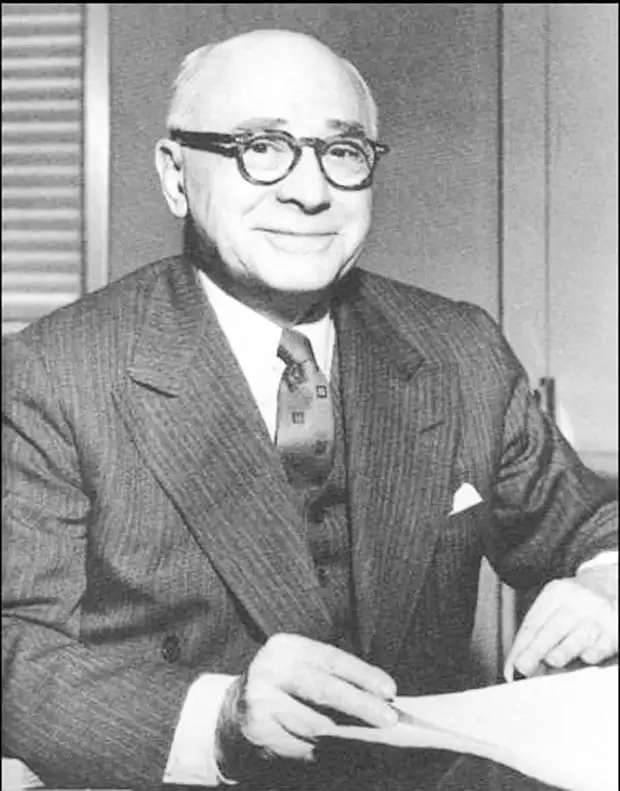
Norman Haire (1892–1952): Based in Australia, Norman Haire was a leading advocate for birth control and sexual health. His involvement in the BSSSP and broader medical discussions helped legitimize early medical approaches to transgender issues, advocating for gender affirmation within the limited understanding of the time. Haire’s progressive views and his work in reproductive health also opened up conversations about bodily autonomy and the right to self-identify. More about Norman Haire
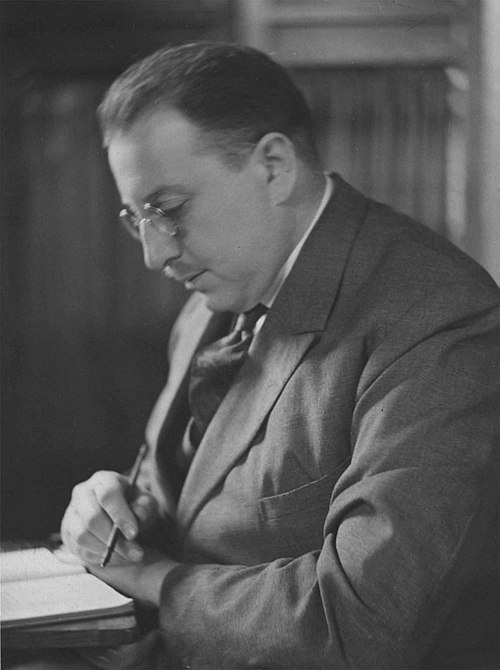
Dr. Elmer Belt (1893–1980): (See full profile in Surgeons of Note above.) More about Dr. Elmer Belt
Dr. David Oliver Cauldwell (1897–1959): David Oliver Cauldwell was a prolific and pioneering sexologist who coined the term “transsexual” as used in its current definition. Born in Cleveland, Ohio, Cauldwell studied medicine at the Chester College of Medicine and Surgery and at Universidad Nacional Autónoma de México. In 1949, he introduced the term in his essay “Psychopathia Transexualis” to describe individuals whose sex assigned at birth was different from their gender identity. He distinguished between “biological sex” and “psychological sex,” seeing the latter as determined by social conditioning. Despite his controversial views on “sex reassignment surgery (sic),” which he opposed, Cauldwell was an early advocate for the acceptance of homosexuality and “transvestism.” More about Dr. David Oliver Cauldwell
Dr. Christian Hamburger (1904–1992): Dr. Christian Hamburger was a renowned Danish endocrinologist. He began working in endocrinology in 1930 and became the head of the Hormone Department at the Statens Serum Institut in Copenhagen in 1933. He co-founded the Danish Society for Endocrinology in 1947, serving as its chairman until 1972. He gained international recognition for overseeing the hormonal treatment and surgical transition of Christine Jorgensen starting in 1950. Denmark banned foreigners from GAS after Jorgensen, and they flocked to Burou in Casablanca. In 2016, the Danish Parliament decided to remove transgender identities from its list of mental illnesses, with the change taking effect January 1, 2017. Source: Scientific American — where transgender is no longer a diagnosis; More about Dr. Christian Hamburger
Dr. Michael Dillon (1915–1962): (See full profile in Gender Diverse People Throughout History above.) More about Michael Dillon
Dr. Lawson Wilkins (1894–1963): Dr. Lawson Wilkins was a pioneering pediatric endocrinologist who significantly influenced the field of endocrinology and the understanding of gender. He founded the first pediatric endocrinology clinic at Johns Hopkins Hospital. Wilkins recommended that children with congenital adrenal hyperplasia (CAH) be raised as male if it seemed more beneficial, based on the idea that the “better” sex assignment depended on the child’s overall well-being, social expectations, and available medical interventions. This approach often led to gender assignment and surgical interventions before the child could consent — what we now recognize as genital mutilation. These surgeries aimed to “normalize” the child’s appearance according to societal standards, without considering the child’s future identity and autonomy. Wilkins’s methods predated and influenced the work of Dr. John Money. Despite the intentions behind Wilkins’s work, the practice of imposing a gender identity through surgical intervention raised significant ethical concerns. Advocacy groups and intersex activists have increasingly called for a shift in medical practices, emphasizing the importance of deferring non-urgent surgeries until the individual can participate in the decision-making process. Sources: Johns Hopkins Medical Archives; University of Zurich research article
Dr. John Money (1921–2006): (See full profile in Historical Context above.) More about John Money
The Endocrine Clinic at Johns Hopkins Hospital (1935)
In 1935, Dr. Lawson Wilkins opened the Endocrine Clinic at Johns Hopkins Hospital in Baltimore, Maryland, located at the Harriett Lane Home. This clinic emerged as a pioneering institution in the United States for providing hormone therapy, initially to treat intersex children. The clinic’s efforts laid the foundation for future advancements in transgender healthcare. Treatment often began in infancy or early childhood, before children could articulate their own gender identity. Care followed a model of medical paternalism: clinicians treated the body with hormones, assuming psychological adjustment would follow. Source: PedsEndo history
One notable figure associated with Johns Hopkins who played a crucial role in transgender healthcare was Dr. John Money. Although his work began in the 1950s, his influence and the clinic’s pioneering efforts in the 1930s contributed significantly to the field. In 1966, Dr. Money founded the Gender Identity Clinic (GIC) at Johns Hopkins University, starting an extensive research program on the “psychohormonal treatment of paraphilias” and “sex reassignment.” He coined and developed the term “gender role,” later expanding it to “gender identity/role” (G-I/R). These terms represent a social construct and that genders perform a role in society. Money appeared more focused on supporting his hypothesis that gender identity is fixed after a critical developmental period — which he called a “gate” — than on testing that hypothesis. He erroneously argued that gender identity is shaped primarily through socialization and developmental processes, assigning limited importance to natal sex or self-identification. His work helped shift scientific and clinical conversations toward distinguishing biological sex from gendered social roles, and at enormous ethical cost.
John William Money (1921–2006): Born July 8, 1921, in Morrinsville, New Zealand, raised in a conservative evangelical Christian environment. Ph.D., Harvard (1952). Joined faculty at Johns Hopkins University School of Medicine from 1953. Coined “gender role” (1955) and later the concept of gender identity/role (G-I/R). Founded the Psychohormonal Research Unit (1965). Co-authored Man and Woman, Boy and Girl (1972). Accessing John Money’s papers at the Alan Mason Chesney Medical Archives is unusually difficult — he required the collection remain closed during his lifetime, and after his death access could be granted only at the chief archivist’s discretion. More about John Money; Fuckology — critical essays

David Reimer (1965–2004) — The “John/Joan” Case: Born a non-intersex identical twin boy who suffered a catastrophic injury during his circumcision in infancy. On the advice of John Money, was surgically and socially reassigned and raised as a girl (“Brenda”). Money treated David as an experiment, using his twin brother Brian as a control to prove his theory that gender identity was determined by upbringing alone (conversion therapy on a cisgender male). In reality, Reimer consistently rejected the assigned identity, realizing his maleness between ages 9–11. After learning the truth, Reimer resumed living as male by adolescence. Money used forced “childhood sexual rehearsal play” between the siblings to demonstrate gender roles to the children starting at age 6. Money persisted in distorting clinical results, relentlessly attempting to validate his preferred hypothesis to consolidate professional authority at Johns Hopkins. The case exposed the harm of secrecy, coercion, and non-consensual medical intervention. David died by suicide in 2004, two years after the death of his brother. “It was like brainwashing,” he said. “I’d give just about anything to go to a hypnotist to black out my whole past. Because it’s torture. What they did to you in the body is sometimes not near as bad as what they did to you in the mind — with the psychological warfare in your head.” Sources: ISNA FAQ; Interact Advocates — Milton Diamond; Diamond, M., & Sigmundson, H.K. (1997). Sex Reassignment at Birth: Long-term Review and Clinical Implications. Arch Pediatr Adolesc Med, 151(3), 298–304. https://doi.org/10.1001/archpedi.1997.02170400084015; Rolling Stone

The Johns Hopkins Gender Identity Clinic (1966–1979)
The GIC opened in 1966 at Johns Hopkins Hospital — among the first U.S. academic centers providing gender-affirming surgery. Program leadership included John Money (psychologist; theoretical authority and gatekeeper), Milton Edgerton (plastic surgeon), Claude J. Migeon (endocrinologist), Howard W. Jones Jr. (gynecologist; performed vaginoplasties). The clinic only offered surgery to 29 patients over the course of its operation as part of a study; 21 patients were in the control group and were not offered surgery.
In 1975, Paul McHugh joined Johns Hopkins as Henry Phipps Professor of Psychiatry and Psychiatrist-in-Chief, later acknowledging his intent on arrival: “It was part of my intention, when I arrived in Baltimore in 1975, to help end it” (TransAdvocate, 2018). In 1979, McHugh petitioned Psychiatric Consultation Service chair Jon Meyer and his secretary Donna Reter to produce a follow-up study. The study was fundamentally flawed: it sampled only patients who underwent vaginoplasty prior to 1971, meaning it did not reflect the state of the art at the time of publication — in particular, Georges Burou’s Penile Skin Flap Inversion Vaginoplasty. It measured “adjustment” by scoring job, educational, marital, and domiciliary stability — awarding points for heterosexual marriage and economic security, deducting points for gender nonconformity, homosexuality, or criminality — without accounting for the role of discrimination in suppressing societal adjustment. The study found no patients expressed regret and no negative effects from surgery, but concluded surgery “confers no objective advantage in terms of social rehabilitation” (Meyer & Reter, 1979). A 1979 New York Times article reported that other doctors called it “seriously flawed in its methods and statistics and draws unwarranted conclusions” (Johns Hopkins News-Letter, 2014). A direct peer-reviewed rebuttal — Fleming, Steinman & Bocknek (1980) — documented the methodological problems in the Archives of Sexual Behavior. Within two months of publication, McHugh used it to shut the GIC. Twenty university-based clinics existed at the moment of closure; only two or three remained by the mid-1990s (STAT News, 2022). Gender-affirming surgery did not return to Johns Hopkins until 2017. Sources: STAT News; Annals of Internal Medicine — Magrath (2022); HRC — McHugh Exposed; Johns Hopkins News-Letter; Meyer, J. K., & Reter, D. J. (1979). Sex reassignment: Follow-up. Archives of General Psychiatry, 36(9), 1010–1015. https://doi.org/10.1001/archpsyc.1979.01780090096010; Fleming, M., Steinman, C., & Bocknek, G. (1980). Methodological problems in assessing sex-reassignment surgery: A reply to Meyer and Reter. Archives of Sexual Behavior, 9(5), 451–456. https://link.springer.com/article/10.1007/BF02115944
Paul Rodney McHugh
May 21, 1931 to present
Paul R. McHugh, a Roman Catholic psychiatrist, arrived at Johns Hopkins as Psychiatrist-in-Chief in 1975 with a predetermined agenda—one he later made explicit: “It was part of my intention, when I arrived in Baltimore in 1975, to help end it,” referring to the university’s Gender Identity Clinic. Despite producing no published academic research on gender or sexual orientation, McHugh has used op-ed platforms such as First Things and the Wall Street Journal to disseminate his views outside the peer-review process. His framework pathologizes transgender identity as a “psychiatric disorder”; he has referred to trans women as “guilt-ridden homosexual men” and “counterfeits.” For more than three decades, his lobbying efforts successfully blocked gender-affirming care from Medicare coverage. Now 94, he continues to promote these positions through conservative media. Johns Hopkins awarded Paul McHugh the title of University Distinguished Professor in 1998 — after his record was already well established — and he retains it to this day, a distinction difficult to reconcile with an institution that positions itself as a leader in evidence-based medicine.
Sources: HRC — McHugh Exposed; TransAdvocate; GLAAD Accountability Project; EWTN 2026
Surgeons of Note: The History of Gender-Affirming Surgery
Sir Harold Gillies (1882–1960): The Father of Modern Plastic Surgery
Sir Harold Gillies studied medicine at Gonville and Caius College in Cambridge and completed his clinical training in London. Although Gillies initially specialized in ENT surgery, his career path changed during World War I when he went to Paris to seek a meeting with Europe’s foremost surgeon, Hippolyte Morestin — the father of cosmetic surgery of the face and mouth. Morestin received him courteously and allowed him to watch an operation for cancer of the face, in which Morestin removed the cancerous growth and mended the wound by rolling up a flap of skin from under the patient’s jaw. Gillies later wrote: “I felt a tremendous urge to do something other than the surgery of destruction.” He became a pioneer and perfecter of many procedures that continue to be used today, including the tubed pedicle flap.
Gillies performed the first known phalloplasty on Michael Dillon in 1946–1949 in thirteen stages — against UK legislature, which had no provision for such procedures. Together with David Ralph Millard, he also devised and performed the first anteriorly pedicled fasciocutaneous tubularized penile inversion flap vaginoplasty on Roberta Cowell in 1952. Gillies was ahead of his time in carrying out gender-affirming surgeries and wrote about two operations involving sisters who were volunteer firefighters: “Realising that they were more male than female, they came to consult me. Their case was one of hypospadias, where ‘the forces which bring about maleness or femaleness have not yet exerted their influence on the genital organs.’ After Gillies had operated on them, they were absorbed into society as ‘normal brothers.'” (Thackray Museum)

Gillies at Cambridge 1902-04
Dr. Georges Burou (1910–1987): Casablanca and the Penile Inversion Vaginoplasty
In 1956, Georges Burou independently developed the anteriorly pedicled penile skin flap inversion vaginoplasty (PIV) in his Clinique du Parc in Casablanca, Morocco. His first vaginoplasty had taken him 3 hours to complete; at the height of his work by 1974, when he was performing 5 to 6 vaginoplasties a month, each took him no longer than 60 minutes. In purposeful secrecy, Burou performed at least 800 PIV operations. Trans women who learned of his clinic would travel from all over the world to pursue his care. For several decades, he was the only provider consistently offering gender-affirming vaginoplasty at a high volume and with refined technique. His technique stripped the penile skin free of the glans, corpus spongiosum and corpora cavernosa, which were transected at the level of the pubis; the penile skin tube was closed distally, inverted, and used to line the neovaginal cavity. Sources: Hage, J. J., Karim, R. B., & Laub, D. R., Sr. (2007). On the origin of pedicled skin inversion vaginoplasty: Life and work of Dr. Georges Burou of Casablanca. Annals of Plastic Surgery, 59(6), 723–729. https://doi.org/10.1097/01.sap.0000258974.41516.bc; Zilavy, A. J., Santucci, R. A., & Gallegos, M. A. (2022). The history of gender-affirming vaginoplasty technique. Urology, 165, 366–372. https://doi.org/10.1016/j.urology.2022.03.032; Academia.edu — On the Origin of PIV
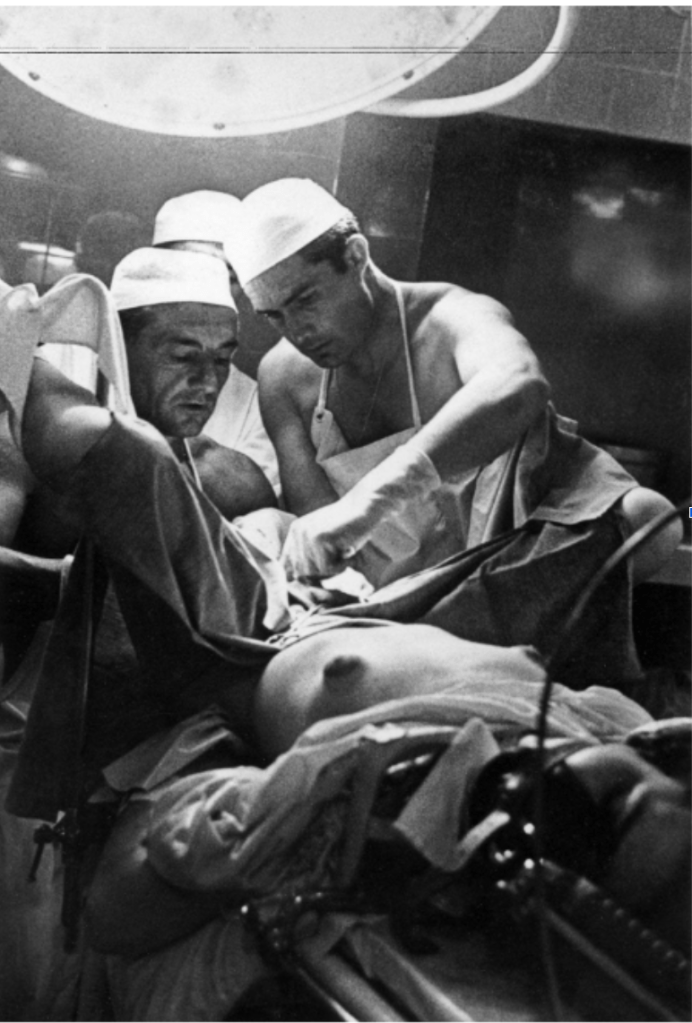
Dr. Georges Burou (left) performing a vaginoplasty in Casablanca with his nurse-technician Joachim Cobarro, both adjusting to the heat.
Dr. Harry Benjamin (1885–1986) and the Clinical Network
Harry Benjamin received his medical education in Germany, earning his MD in 1912. He was acquainted with Magnus Hirschfeld and met with him between 1928–1933, absorbing the principle that sexual variance should not be punished or “cured.” He emigrated to the United States in 1913 and opened a medical practice in 1915 in New York City. His first trans patient was Otto Spengler; in 1928, at Spengler’s request, Harry prescribed the newly developed progynon (later known as estradiol), an estrogenic hormone, and x-ray sterilization of her gonads — Benjamin’s first transgender case. He advocated a body-centered model — using hormones and surgery to align the body with the person — one of the only U.S. clinicians taking this stance at the time. He treated Christine Jorgensen in New York and referred her to Dr. Christian Hamburger in Copenhagen for gender-affirming surgery, bringing public visibility to trans medical care. When Christine Jorgensen sought Benjamin’s guidance in 1951, he was 65, while Jorgensen was 25. She was Harry’s 7th transgender patient. Sources: Sex Archive — Benjamin; NYC LGBT Sites; Wondrous Transformations
As Harry Benjamin’s practice expanded following Christine Jorgensen’s fame, he was consulted by transgender patients across the United States seeking medical transition. Because he did not perform surgery himself, he urgently needed surgical collaborators willing to perform surgeries. During this time, it was well understood that any surgeon who performed gender-affirming vaginoplasty might be charged with criminal mayhem — the purposeful maiming of a patient. He found a partner in Los Angeles urologist Elmer Belt, MD. There were also unmarked facilities across the U.S. that Harry connected patients with — clinics operating in homes in neighborhoods, some of which also performed procedures for women with unwanted pregnancies. Source: Gold Journal — history of vaginoplasty

Harry Benjamin (left) with Magnus Hirschfeld (right).
Dr. Elmer Belt (1893–1980)
Early life and education: Born April 10, 1893, in Chicago, Illinois. His family moved to Los Angeles during his childhood where they lived on a small ranch near Anaheim. He came of age during Progressive Era reforms emphasizing sanitation, scientific medicine, and public health. He attended Los Angeles High School, earned a B.A. from the University of California, Berkeley (1916) and an M.A. (1917), trained at the University of California Medical School, San Francisco, was a Fellow at the Hooper Institute for Medical Research (with George Whipple & Frank Hinman), and earned his M.D. in 1920. Source: UCLA Library Special Collections

Clinical practice: Beginning in 1953, Belt operated on transfeminine patients referred by Benjamin, performing early vaginoplasty techniques. Although Benjamin reported high postoperative satisfaction, Belt became increasingly concerned about regret, legal liability, and psychological readiness, leading him to require mental health evaluations and, at times, second surgical opinions — practices that helped shape early professional standards. By 1963, he withdrew from gender-affirming surgery, citing mounting legal anxieties, patient demands, and the growing international prominence of Georges Burou’s refined PIV techniques. Belt ultimately reported operating on 72 male to female and 1 female to male patients. Benjamin felt that one third of the surgical outcomes were “good” and approximately one half were satisfactory. Psychiatrist Ira Pauly published a postoperative satisfaction rate of over 80% in his global review of outcomes after gender-affirming surgery (GAS), a cohort that included many of Belt’s patients. Sources: International Journal of Urology History — Hines on Belt; Gold Journal
The Mayhem Law Problem: This is where the legal constraint becomes specific and historically significant. Rather than orchiectomy, Belt performed abdominal transposition of the testes in order to circumvent California’s so-called “mayhem laws,” which forbid elective castration. It was well understood that any surgeon who performed gender-affirming vaginoplasty might be charged with criminal mayhem — the purposeful maiming of a patient. For those who desired orchiectomy, he referred them to Dr. JC Koch in Amsterdam. Willard Goodwin asked Rollin Perkins, a professor of law, about the mayhem statutes in 1954. Perkins acknowledged that there was a “want of judicial decision on the point” and advised caution given the uncertainty and the prejudice. A committee of doctors at UCLA, including Goodwin and psychiatrist Frederick Worden, decided against the practice. Many of Belt’s files were destroyed in a 1958 office fire. The reputation of the combined institutions that opened GICs in the 1960s and 1970s eventually removed the previous dread of retribution from the minds of surgeons. With new patient selection protocols, the risk of post-operative regret was decreasing. Surgeons no longer had cause to fear criminal mayhem charges as the operation was now part of legitimate medical science. The uncertainty and risk that Belt and Benjamin faced was part of what led them to establish the Standards of Care in 1979. Sources: Zagria — Elmer Belt; TSQ — Standards of Care, Uncertainty and Risk; Columbia Law Review — Incentivizing Harm
Donald R. Laub, MD (1935–2024): Stanford and the Metoidioplasty
Dr. Donald Laub was an early U.S. surgical pioneer in gender-affirming care who worked at Stanford University, co-founding the Stanford Gender Dysphoria Program with psychiatrist Norman Fisk in 1968, and was a founding member of WPATH (then the Harry Benjamin International Gender Dysphoria Association). A Catholic and graduate of Marquette University School of Medicine, he trained in plastic and reconstructive surgery before specializing in gender-affirming procedures. He developed the first metoidioplasty technique, releasing suspensory ligaments to increase projection and creating a sensory phallus from hormonally enlarged clitoral tissue while fully preserving erotic sensation — a technique that remains foundational in transmasculine genital surgery today. Source: FACS — Rise and Fall of Gender Identity Clinics
Dr. Stanley Biber (1923–2006): Trinidad, Colorado
Dr. Stanley Biber was a rural general surgeon who performed his first gender-affirming vaginoplasty in 1969 on a patient referred by a local social worker who approached him directly. Surprised but unfazed, armed with a self-confidence that he could learn anything, Biber agreed to operate. He consulted with Harry Benjamin and subsequently sent for Dr. Georges Burou’s original drawings, then at Johns Hopkins (published in Howard W. Jones’ Transsexualism and Sex Reassignment). The surgery was crude but a success. Born in Des Moines, Iowa, to Jewish parents, he served in a MASH unit during the Korean War, where he developed high-volume surgical experience. He accepted a staff physician job at the United Mine Workers Clinic in tiny Trinidad, Colorado (population 9,000) in 1956, gaining the trust of the citizenry as he set bones, replaced hips, removed gallbladders, and delivered babies. With the closure of Hopkins and other university programs in 1979, plus the retirement of Dr. Burou, rural Trinidad became the location worldwide for GAS. Dr. Biber went on to perform more than 5,000 gender surgeries (including 2,350 vaginoplasties and more than 1,000 phalloplasties) and is cited in the Guinness Book of World Records. He was also a bodybuilder in his youth. He practiced at Mt. San Rafael Hospital until his retirement in 2003. (NPR, 2006)
https://www.npr.org/player/embed/5163832/5163833
Dr. Stanley Biber (1923–2006) was a bodybuilder in his youth.
Dr. Marci Bowers (1958–present)
Marci Bowers is an American OB-GYN and one of the most prominent surgeons specializing in gender-affirming genital surgery. She trained under Stanley Biber and took over his surgical practice in 2003 when he retired. She relocated the practice to California and now operates the Marci Bowers, MD practice in Burlingame. She has performed thousands of vaginoplasty and vulvoplasty procedures and is known for emphasizing clitoral sensation and aesthetic refinement. She is a transgender woman and publicly came out in 2007 while already an established surgeon. She served as President of WPATH (2022–2024) during the development and implementation of Standards of Care Version 8. She has advocated for evidence-based access to gender-affirming medical and surgical care and has spoken publicly about puberty blockers, fertility considerations, and surgical outcomes.

The Timeline of Surgical Access in the United States
The availability of gender-affirming surgery in the United States has never been linear. The following timeline illustrates how access expanded, contracted, and was forced into private and underground settings by legal, institutional, and political forces:
- Belt, Los Angeles (1953–1962): 73 surgeries performed; withdrew due to mayhem law fears and legal uncertainty
- Johns Hopkins GIC (1966–1979): 29 surgeries performed MTF as part of a study; closed by Paul McHugh using a methodologically flawed study
- Stanford Gender Dysphoria Program (1968–1979): bulk of surgical work performed; Laub left the program in 1980
- Stanley Biber, Trinidad (1969–2003): 5,000+ surgeries; became the primary destination worldwide after Hopkins and Stanford closed
- Gap (1979–1993): Between 1979 and 1993 when the University of Michigan began its program, gender-affirming surgeries were performed primarily by private surgeons — Biber in Trinidad, Burou in Casablanca (until his retirement), and a small number of others
- Marci Bowers takes over Biber’s practice (2003): continues in Trinidad until 2010, then relocates to California
- Johns Hopkins reopens (2017): as the Center for Transgender and Gender Expansive Health

When Systems Failed: Restricted Care, Riskier Paths, and Medical Tourism
The consequences of surgical and hormonal gatekeeping have been severe and well-documented.
DIY Transitions: Rotondi et al. (2013) — Trans PULSE Project, Ontario — studied 402 participants and found that 43% of trans Ontarians using hormones had obtained them from nonmedical sources prior to the survey, and 6.4% were currently using non-prescribed hormones. Five participants had self-performed or attempted surgical procedures (orchiectomy/mastectomy). The primary driver of this behavior was experiencing transphobia from providers, low income, and inadequate access — even under universal healthcare. Among participants: a 23-year-old MTF had attempted an orchiectomy; a 34-year-old MTF had completed an orchiectomy at age 23; a 34-year-old MTF had completed an orchiectomy with the help of a nurse at age 27; a 51-year-old MTF had performed an orchiectomy on herself at age 46; and a 25-year-old FTM had performed a mastectomy on himself at age 22. Implication: system gaps produce safety risks; provider training and service access are harm reduction. Source: Rotondi, N. K., et al. (2013). Nonprescribed hormone use and self-performed surgeries: “Do-it-yourself” transitions in transgender communities in Ontario, Canada. American Journal of Public Health, 103(10). https://pmc.ncbi.nlm.nih.gov/articles/PMC3780733/
John Ronald “Butcher” Brown (Mid-1970s to 1999): John Ronald Brown operated on the margins of medicine from the mid-1970s into the 1990s, a period when gender-affirming surgical access in the United States was extremely limited — stigma and gatekeeping were high, and underground body-modification practices emerged in response to exclusion from mainstream care. As academic programs closed and only two major U.S. gender clinics — at Stanford and Johns Hopkins — remained (with Hopkins reportedly accepting just two new patients per month), many trans people who were denied care had few options. Brown, a University of Utah medical school graduate in general studies rather than surgery, presented himself as a surgeon and established a San Francisco clinic but, lacking credentials, performed procedures in improvised and often unsafe settings such as garages and storage facilities. He admitted he would “work on anyone,” sometimes allowing patients to assist in surgeries to offset costs, and performed hundreds of vaginoplasties; some patients expressed gratitude while others reported poor outcomes, earning him the nickname “Butcher Brown.” His California medical license was revoked in 1977 for gross negligence and unprofessional conduct following a patient death, yet he continued operating, later working in Tijuana after serving time in 1990 for practicing without a license. In 1999, a patient died of gas gangrene after a leg amputation he performed, leading to his extradition, conviction for second-degree murder, and imprisonment until his death. Brown’s case is often cited in discussions of barriers to gender-affirming care, the ethics and regulation of surgical practice, the dangers of medical exclusion and stigma, and the risks inherent in underground surgical and extreme body-modification subcultures. Sources: Justia — California Court of Appeal; Science Direct — chapter on gender-affirming surgery history

Cruel and Unusual Punishment: Gender dysphoria can cause severe health impacts, including profound distress, depression, suicidality, and risk of death without appropriate care. It is a recognized medical condition, and gender-affirming surgery is an evidence-based medical treatment for some patients. In Adree Edmo’s case, a federal court ordered surgery after extreme self-harm and suicide risk demonstrated the severity of untreated dysphoria. Constitutional standards (e.g., Eighth Amendment principles) do not require individuals to endure unbearable suffering before receiving necessary medical care. Current injunction standards risk creating a dangerous incentive, pressuring plaintiffs to demonstrate extreme self-harm to prove medical necessity. Courts should recognize mental anguish and clinical need as sufficient harm, rather than privileging visible physical injury or crisis-level behavior. Source:Columbia Law Review — Haberman https://scholarship.law.wm.edu/wmjowl/vol28/iss2/7/
Shaping Transgender Healthcare
World Professional Association for Transgender Health
Originally founded in 1979 as the Harry Benjamin International Gender Dysphoria Association (HBIGDA) — with Harry Benjamin himself being 94 at the time of its founding — WPATH has played a crucial role in establishing standards of care and advocating for transgender health. The organization’s recent evolution signifies a shift towards more affirming and inclusive healthcare models, moving away from the earlier gatekeeping attitudes that once dominated trans healthcare. Source: WPATH history
HBIGDA Founders: Harry Benjamin, MD (endocrinologist, private practice New York City); Paul A. Walker, PhD (psychologist, Gender Identity Clinic, Johns Hopkins Hospital); John Money, PhD (psychologist/sexologist, Johns Hopkins); Milton Edgerton, MD (plastic surgeon, Johns Hopkins, later Chair of Plastic Surgery at University of Virginia); Donald Laub, MD (plastic surgeon, Stanford University Medical Center); Stanley Biber, MD (surgeon, private surgical practice in Trinidad, Colorado); Norman Fisk, MD (psychiatrist, Stanford University Medical Center; developed the “gender dysphoria syndrome” diagnostic framework with Laub).
Notable Presidents of WPATH: Dr. Richard Green (founding president and psychiatrist); Dr. Peggy T. Cohen-Kettenis (contributed significantly to understanding transgender youth); Dr. Walter Bockting (advocated for depathologizing transgender identities); Dr. Jamison Green (a transgender activist who focused on social justice and inclusivity); Dr. Vin Tangpricha (promoted transgender healthcare access and education); Marci Bowers (a transgender surgeon and advocate who significantly advanced the field of gender-affirming surgery, transforming the landscape of transgender healthcare; served 2022–2024). More about Marci Bowers
From Early Sexology to Modern Standards: How Evidence Built Gender-Affirming Care
In research, the p-value is often treated as a gatekeeper for whether a finding is “real” (statistically significant) and therefore “worthy” of publication, coverage, or clinical availability — but it answers only a narrow question: if there were truly no effect, how unlikely is the result we observed? (Taylor & Francis Online) Whether a study reaches “significance” depends not only on the size of benefit or harm, but also on sample size and how common the outcome is in the sample — so rare outcomes can look “non-significant” even when clinically important, while very large samples can make trivial differences look “significant.” (Taylor & Francis Online) This matters for gender-affirming care because insurance coverage and policy are routinely built on evidence review and medical-necessity frameworks (e.g., Medicare’s “reasonable and necessary” coverage analysis and insurer medical policies), which means the statistical evidence base directly shapes access. (CMS; BlueShieldCA) At the same time, the field of psychology, psychiatry, and medicine has moved away from trying to force transgender people to “align” with sex assigned at birth because those practices function as sexual orientation and gender identity change efforts (SOCE) — i.e., conversion therapy — which major professional bodies describe as biased/coercive and associated with harm. (American Psychological Association) These approaches often begin from a predetermined endpoint (discouraging transition regardless of the client’s needs) rather than supporting self-determination — raising clear ethical concerns about undue influence in a population already exposed to stigma and structural pressure. (American Psychological Association) Finally, because regret after gender-affirming surgery is typically rare (e.g., 2.8% in a postoperative cohort using a validated measure), studies may have too few regret cases to detect predictors reliably — another reason p-values must be interpreted alongside effect sizes, confidence intervals, and the proportion of the sample affected, rather than used as a single “yes/no” switch for access. (PubMed)
References: Centers for Medicare & Medicaid Services. (2016). Decision memo for gender dysphoria and gender reassignment surgery (CAG-00446N). CMS; Wasserstein, R. L., & Lazar, N. A. (2016). The ASA statement on p-values: Context, process, and purpose. The American Statistician, 70(2), 129–133. Taylor & Francis Online; American Psychological Association. (2021). Resolution on gender identity change efforts. APA; American Academy of Child & Adolescent Psychiatry. (2018). Conversion therapy (policy statement). AACAP; American Medical Association. (2025). Issue brief: Sexual orientation and gender identity change efforts (so-called “conversion therapy”). AMA; American Medical Association. (2025). Issue brief: Health insurance coverage for gender-affirming care. AMA; Blue Shield of California. (2025). Gender affirmation surgery (medical policy). BlueShieldCA; Hung, Y.-C., et al. (2023). Multidimensional assessment of patient-reported outcomes after gender-affirming surgeries using a validated instrument. (Reports 2.8% regret.) PubMed; Bruce, L., et al. (2023). Long-term regret and satisfaction with decision following gender-affirming mastectomy. JAMA Surgery. JAMA Network
Decision Making
In medicine and ethics, informed consent, consent, and assent are distinct concepts with major implications for children, for people whose capacity is temporarily impaired, and for groups whose bodily autonomy has historically been overridden. Informed consent requires decision-making capacity, adequate and accurate information about risks, benefits, and alternatives, comprehension of that information, and a voluntary decision free from coercion. Consent, more broadly, refers to voluntary permission for an intervention, but it may be less robust than informed consent when full disclosure or capacity are limited or unclear. Assent refers to a person’s affirmative agreement or expressed willingness to proceed when they cannot legally give informed consent (most commonly because they are a minor), and it functions as an ethical safeguard: even when a parent or guardian provides legal authorization, clinicians should still seek the child’s developmentally appropriate understanding and willingness, and should take seriously any distress, refusal, or objection.
This is where intersex history is instructive: intersex infants and children were routinely subjected to “normalizing” genital surgeries through proxy decision-making, often without meaningful attention to the child’s future autonomy, and without the possibility of assent — which is impossible in infancy — and intersex advocates and human-rights organizations have documented lasting physical and psychological harms from medically unnecessary procedures performed before the person could provide consent or participate in informed consent. A key distinction here is orientation to medical authority: intersex advocacy has often centered on being protected from unnecessary clinical intervention imposed without consent, whereas transgender healthcare is typically sought by the patient as an affirming, voluntary, consent-based pathway toward embodiment and relief of dysphoria — not medicine acting on someone, but medicine being accessed by someone. KFF
Today, a parallel ethical failure is unfolding through efforts to criminalize or heavily penalize medically indicated care for transgender minors, replacing individualized clinical assessment and youth assent with categorical bans and punitive interference aimed at enforcing rigid sex/gender norms. Policy analyses and legal trackers document that many state-level restrictions have targeted clinicians and families with professional sanctions and, in some cases, criminal penalties — shifting decisions away from the patient-family-clinician relationship and into the realm of ideological enforcement. (Williams Institute) In both contexts — intersex “normalization” surgeries and political bans on transgender youth care — the shared pattern is coercive conformity: people are pressured to fit society’s expectations without regard for how they feel in their bodies, what they express, or what individualized care would support their long-term wellbeing and autonomy.
The contrast becomes even clearer when you look at how the medical system handles comparable distress in a politically uncontroversial group: cisgender adolescent boys with gynecomastia are routinely evaluated for treatment, and when indicated, can receive male breast reduction surgery as a quality-of-life intervention — often discussed in clinical and professional contexts without massive political campaigns, criminalization efforts, or broad accusations of social contagion. (American Society of Plastic Surgeons) The ethical point is not that every intervention is identical, but that society’s “protection” narratives are applied selectively: when the patient’s needs align with gender norms, care is treated as ordinary; when care challenges gender norms, the state moves to control bodies and silence assent and informed consent.
The Neurobiological Basis of Gender Identity: Development Before Birth
Understanding why transgender people have always existed requires understanding how gender identity develops. Society always likes clear cut answers and look to the brain to determine what people say they experience and who they are. As neurobiologist Dick F. Swaab and colleagues have questioned across decades of research, gender identity is programmed into brain structures during fetal development through the action of sex hormones on developing neural tissue — largely complete before birth. The brain does not passively reflect the body. It develops its own sex-typical organization through a process that is independent of genital anatomy, and that process has profound implications for understanding gender diversity. For an accessible overview of this research, see neurobiologist Robert Sapolsky’s Stanford lecture on the neurobiology of transgender identity.
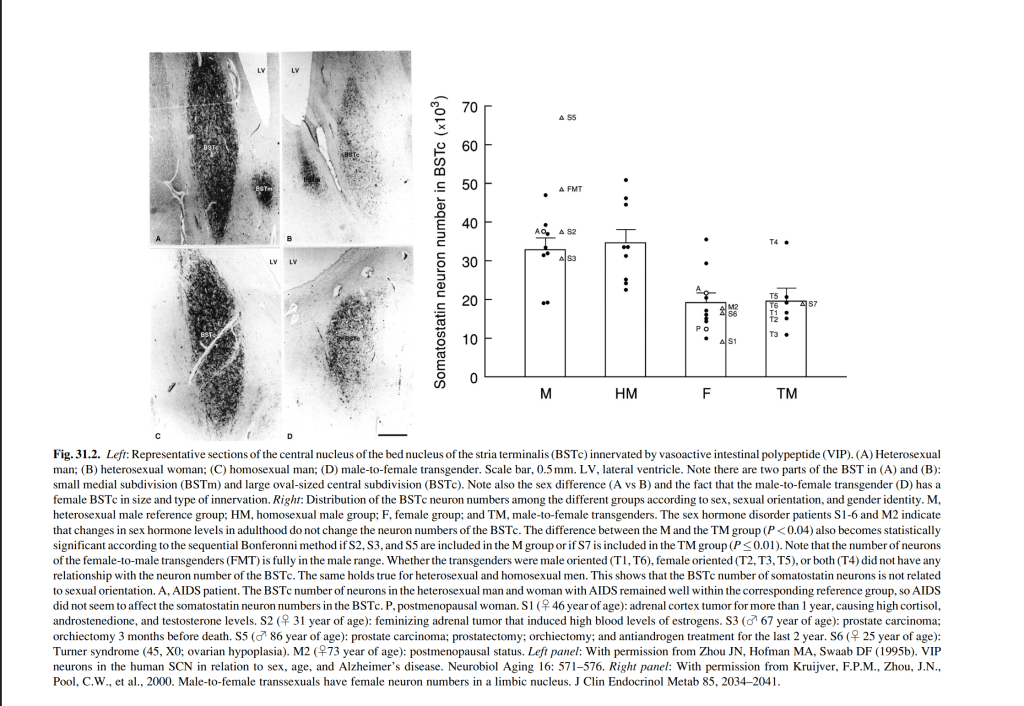
Up to the 1980s it was thought that a child’s behavior was made male or female by postnatal social influences. In
the 1960s and 1970s this incorrect concept led to immediate operations of newborns with indeterminate sex organs, with the idea that the social influence would work best on gender identity when the environment was not in doubt. This misconception has ruined many lives due to ignorance of intrauterine sexual differentiation of the
brain. The presence or absence of testosterone is a main factor causing the child to develop male or female sex
organs between the 6th and 12th week of pregnancy, while the brain differentiates along male or female lines
in the second half of pregnancy. It is during that time that the feeling of being a man or a woman, i.e., our gender
identity, and our sexual orientation, i.e., heterosexual, homosexual, or bisexual, are programmed into the hardware of our brains for the rest of our lives. This process of sexual differentiation of the brain is for the major part caused by a surge of testosterone in boys in the second half of pregnancy and the absence of such a peak in sex hormones in girls. In addition, sexual differentiation of the brain is influenced by genetic polymorphisms, epigenetic factors, and disturbed by medicines and chemicals in the environment. Moreover, the process of selforganization makes each brain unique. The result of all these factors involved in brain development in general and in sexual differentiation of the brain in particular is a great variability in all aspects of gender identity and sexual orientation. Variation has been the motor of evolution and will always remain present. The problem is, however, as Milton Diamond said: “nature loves variability but society hates it.” There is no evidence for postnatal social factors playing an essential role in the development of gender identity or sexual orientation. Sexual orientation reparative therapies were not effective and probably doing harm. Women were found to be more sexual fluid than men. A large number of structural and functional sex differences in the brain have been described. Concerning gender dysphoria, there is the finding of a reversal in the BSTc volume and cell number of the sex difference in transgender people. This has, however, so far not resulted in a specific and sensitive biological marker for gender identity in the brain in early development in vivo. There is still need for such a biological marker for gender dysphoria, since the diagnosis is at present only based on a
description of the person’s own feelings. (Swaab et al., 2021, pp. 427–428).
Swaab, D. F., Wolff, S. E. C., & Bao, A.-M. (2021). Chapter 31 – Sexual differentiation of the human hypothalamus: Relationship to gender identity and sexual orientation. In D. F. Swaab, R. M. Buijs, P. J. Lucassen, A. Salehi, & F. Kreier (Eds.), Handbook of clinical neurology: Vol. 181. Sexual differentiation of the human brain (pp. 427–443). Elsevier. https://doi.org/10.1016/B978-0-12-820683-6.00031-2
What medical researchers often get wrong is the person’s autonomy — privileging what our biology says we are over who we say we are, and framing this as pathology rather than as diverse human variation. What I find valuable in this research is that it locates this developmental path before birth.
Outcomes of Gender-Affirming Care
What the Data Show: Surgical Outcomes
Gender-affirming surgery is consistently associated with significant improvements in quality of life, body image/satisfaction, and overall psychiatric functioning. Regret is rare — approximately 1% in systematic review data — with only a small minority of patients reporting regret, occasionally leading to detransition-related surgeries. Lifetime prevalence of detransition is higher, around 13% of people reporting a history — but detransition and regret are not the same thing, and the drivers matter enormously.
Systematic Review and Meta-Analysis (Bustos et al., 2021): This systematic review and meta-analysis examined 7,928 transgender individuals who underwent GAS across included studies. Of those, 33% (n = 2,578) underwent transmasculine procedures and 67% (n = 5,136) transfeminine procedures, with 1 nonbinary patient reported. Surgical types when specified: transfeminine included vaginoplasty 39.3%, clitoroplasty 13.3%, breast augmentation 5.5%, labioplasty/vulvoplasty 3.7%; transmasculine included mastectomy 12.4%, phalloplasty 2.6%, hysterectomy 2.1%. Regret outcomes: 77 of 7,928 patients (~1%) expressed regret — 12 transmasculine, 57 transfeminine, 8 unspecified. Reported reasons included external social pressures (e.g., social acceptance, employment, maintaining family or social relationships). A very small number of cases cited loss of sensation. Follow-up duration: 0.8–9 years post-surgery. Source: Bustos, V., et al. (2021). Regret after Gender-affirmation Surgery: A Systematic Review and Meta-analysis of Prevalence. Plastic and Reconstructive Surgery, 9, e3477. https://doi.org/10.1097/GOX.0000000000003477
What the Data Show: Detransition Reflects Social Constraint, Not Failure of Care
Turban et al. (2021) — Mixed Methods Analysis, USA: This study drew participants from the 2015 U.S. Transgender Survey (USTS), conducted by the National Center for Transgender Equality (NCTE). Participants were recruited through community-based outreach, LGBTQ+ organizations, and online networks (not clinical sites). Sample: 17,151 respondents who had pursued gender-affirming care. Detransition prevalence: 13.1% (≈ 2,242) reported a history of detransition in their lifetime. Primary drivers: 82.5% (≈ 1,850) of those who detransitioned cited external factors, most commonly family pressure and societal stigma. 17.5% (≈ 392) of detransition respondents reported shifts in identity at the time of the study. “Gender affirmation care” was broadly defined and included social, legal, hormonal, and for some participants, surgical care; the study was not limited to individuals who underwent GAS. Associated characteristics: detransition history was associated with male sex assigned at birth, nonbinary gender identity, bisexual sexual orientation, and having an unsupportive family. Source: Turban, J.L., Loo, S.S., Almazan, A.N., & Keuroghlian, A.S. (2021). Factors Leading to “Detransition” Among Transgender and Gender Diverse People in the United States: A Mixed-Methods Analysis. LGBT Health, 8(4), 273–280. https://doi.org/10.1089/lgbt.2020.0437
Key Takeaways and Clinical Implications
Community-based mixed-methods study (Turban et al., 2021): detransition ≠ regret; it was most often situational and externally driven, and some individuals later re-seek gender affirmation. Systematic review and meta-analysis (Bustos et al.): surgical regret (~1%) was most commonly linked to external pressures; a small subset cited factors related to loss of sensation.
Clinical Implications: Clinicians can recognize and address external pressures from family and social environments. Help clients find supportive networks within communities and work with families. Be aware that some patients may later seek gender affirmation following detransition.
Current Challenges
The Modern Anti-Trans Infrastructure: A Continuity of Funding and Ideology Since 1973
Before documenting the specific tactics and organizations of the current anti-trans movement, it is essential to name what this movement is and where it came from. The legislative wave targeting transgender people that began in 2015 and accelerated after 2021 is not a new phenomenon. It is not a grassroots reaction to a sudden cultural shift. It is the latest campaign of an organizational infrastructure that was built in 1973 — the same year the American Psychiatric Association (APA) voted to remove homosexuality from the Diagnostic and Statistical Manual of Mental Disorders (DSM), and the same year Paul Weyrich co-founded the Heritage Foundation and the American Legislative Exchange Council (ALEC) in explicit reaction to that vote.
The organizations that are producing anti-trans legislation today — Heritage, ALEC, the Alliance Defending Freedom (ADF), the Family Research Council (FRC), Focus on the Family, and their affiliated funding networks — are the same organizations, funded by the same money, that spent the 1970s campaigning against gay teachers, the 1980s opposing AIDS research, the 1990s fighting the lifting of the military gay ban, the 2000s writing state constitutional amendments banning same-sex marriage, and the 2010s drafting bathroom bills targeting trans students. They did not pivot to transgender people. They extended their existing campaign to a new target after same-sex marriage was settled by Obergefell v. Hodges in 2015. The arguments are identical — children at risk, social contagion, disordered identity, religious liberty — run through successively updated institutional vehicles.
This matters because it means the anti-trans movement cannot be understood in isolation from the broader anti-LGBTQ+ movement, and it cannot be understood as a response to anything transgender people have done. It is a structural feature of a political and religious network that has been organized, funded, and operating continuously for more than fifty years. The timeline that follows documents this structure in detail.
Naming the Harm
We are currently witnessing a resurgence of hate and propaganda against transgender people and gender-affirming healthcare, especially alongside the global rise of extremist movements. This reflects a broader pattern of people outsourcing their conscience to authoritarians and religious zealots who offer certainty, scapegoats, and permission for cruelty. Websites such as Trans Data Library and Health Liberation Now document the individuals and groups spreading this harmful rhetoric, which often originates from fascist ideals, misogyny, and fear-mongering.
Misogyny and toxic masculinity drive a pervasive form of gender-based discrimination and hatred that’s deeply embedded in social structures and ideology. At its core is gender essentialism — the belief that gender is fixed, binary, and determined solely by physical traits — often advanced by people preoccupied with defining others’ identities while denying their sense of self. Some proponents even label themselves “radical feminists,” despite reinforcing the very systems of control they claim to oppose. A particularly insidious tactic is their appropriation of that term to obscure their real agenda: by co-opting feminist language, they mask efforts to exclude and vilify transgender women under the guise of “protecting women and children,” using inflammatory rhetoric like “mutilation.” They selectively invoke feminist principles to frame women as weak, fragile, and in need of protection, using that claim to justify excluding transgender people from “single-sex spaces” like bathrooms and locker rooms, while aligning with broader systemic discrimination — including reliance on the gay and trans panic defense — that ultimately reflects deeply misogynistic motives. This pattern echoes what happened in 1955, when Carolyn Bryant claimed victimhood and her accusation against Emmett Till was used to legitimize an act of racial terror that ended in his murder; she later recanted key aspects of her account. (PBS — Getting Away With Murder) Today trans people are avoiding bathrooms nationwide out of fear of harassment and assault. (Reuters)
Recognizing and Calling Out the Spread of Propaganda
Propaganda is often used by extremists to confuse the public about transgender rights and gender-affirming care through several key tactics. One form is grey propaganda, which blends elements of both black and white propaganda, making it more difficult to discern the truth.
Misinformation and Disinformation: Propaganda campaigns spread false or misleading information about transgender people and gender-affirming care. A key tactic is repetition: when the same claims are repeated across news cycles, political talking points, social media, and institutional messaging, they begin to feel familiar — and familiarity is often mistaken for truth. This is a well-established propaganda method used in authoritarian movements, where repetition is used to manufacture public “common sense,” create scapegoats, and normalize cruelty.
Fear-Mongering: By emphasizing extreme and rare cases, propagandists create a climate of fear and uncertainty. They may highlight instances of regret or negative outcomes while ignoring the overwhelming majority of positive and affirming experiences reported by transgender individuals.
Emotional Appeals: Emotional manipulation is a common strategy. Propaganda often appeals to parental fears, suggesting that gender-affirming care will harm children or disrupt family dynamics, despite evidence showing the benefits of supportive environments for transgender youth.
Misrepresentation of Science: Propaganda often involves cherry-picking or distorting scientific studies to support anti-transgender narratives. Legitimate research supporting gender-affirming care is downplayed or ignored, while flawed or biased studies are amplified.
Language Manipulation: Using loaded and stigmatizing language, such as “mutilation” instead of “surgery” or “confused” instead of “transgender,” propagandists seek to de-legitimize transgender identities and medical care.
Political and Ideological Framing: Propaganda frames transgender rights and gender-affirming care as ideological issues rather than human rights or medical concerns. This can polarize public opinion and turn medical care into a battleground for cultural or political wars.
False Equivalency: Presenting both sides of the issue as equally valid, even when one side is based on misinformation or biased beliefs, creates a false sense of debate. This tactic can confuse the public and give undue weight to anti-transgender perspectives.
Erasure of Transgender Voices: Propaganda often sidelines or silences the voices of transgender individuals and supportive professionals. This marginalization prevents authentic representation and understanding of transgender experiences and needs.
Commonly repeated anti-transgender propaganda: “This is experimental” — describes gender-affirming care as untested, trendy, or recently invented; suggests clinicians are experimenting on patients. “Regret rate and detransition rate is high” — suggests most patients later regret transition; uses anecdotal cases to imply widespread harm. “This comes from sexual trauma and is something to be fixed” — the same recycled discriminatory statement used against LGB people; there is no definitive evidence that trans identity comes from trauma; the correlation between trauma and LGBTQ+ identities comes from discrimination and violence or hate crimes inflicted upon us.
References: Jowett, G. S., & O’Donnell, V. (2015). Propaganda & persuasion (6th ed.). SAGE Publications. https://csmeyns.github.io/propaganda-everyday/pdf/odonnell-jowett-2018-what-is-propaganda.pdf; Wardle, C., & Derakhshan, H. (2017). Information disorder: Toward an interdisciplinary framework for research and policy making. Council of Europe. https://edoc.coe.int/en/media/7495-information-disorder-toward-an-interdisciplinary-framework-for-research-and-policy-making.html; McLamore, Q., & Fuller, K. (2025). Dynamics of transphobic content and disinformation. Bulletin of Applied Transgender Studies, 4(1–3), 1–14. https://doi.org/10.57814/ktm8-sh84; Channon, L., & Mathieson, N. (2025).
The Anti-Trans “Medical–Legal” Ecosystem: A Structural Description
A small cluster of tax-exempt 501(c)(3) “advocacy” organizations repeatedly appear in U.S. and international debates over transgender healthcare. The organizations are not identical in mission, branding, or constituency. However, when examined as a system, they function as a repeatable pipeline for moving a set of policy claims from organizational messaging into legislation, litigation, and media. This is not an allegation of a unified conspiracy or shared intent. It is a description of observable division of labor: different organizations specialize in different tasks (medical-sounding branding, narrative framing, litigation support, or policy messaging), and their outputs are frequently reused across venues. See below: A Timeline of Anti-LGBTQ+ Organizing and Legislation in the United States
Observed Communication Pathways: Medical branding / “evidence” nodes publish critiques, “guidance,” or risk narratives framed as clinical analysis. Legal / policy nodes translate those narratives into proposed statutes, legislative testimony, and court-facing “advocacy” (including amicus participation). Media nodes convert these claims into simplified story formats that circulate broadly. Infrastructure — staffing, communications, and fundraising capacity — sustains repeated campaigns over time. The cumulative effect is that “advocacy” outputs can enter policymaking and judicial records as if they were independent clinical consensus.
Authority Signaling Mechanisms: Certain organizations explicitly position themselves as medical-professional authorities or “evidence-based” evaluators. They commonly publish leadership rosters (e.g., “fellows,” “advisors,” “advisory boards”) and highlight professional credentials as credibility anchors. Those rosters and titles are then carried into policy contexts where decision-makers reasonably rely on credential cues.
Litigation and Case-Support Functions: Some organizations operate primarily as policy and litigation actors, including public-facing discussion of lawsuits, case support, and donor-backed filing activity. Sponsorship and case support can function as case-shaping infrastructure — funding filing costs, sustaining publicity, and pursuing precedent — regardless of the ultimate merits outcome.
Cross-Venue Reuse of Claims: Frame claims as “medical concern” (ethics, safeguarding, “evidence-based,” “protect kids”); move claims into legal and policy venues (testimony, model policies, briefs, amicus filings); amplify claims through repetition across outlets and cross-referencing between “advocacy” sources; apply institutional pressure through “concern” submissions, complaints, or targeted campaigns. This structure does not require majority professional support to be influential. It requires credible-sounding branding, repeatable claims, distribution capacity, and legal and policy throughput.
Contested “Evidence-Based” Nodes and Citation Loops: Cross-citation loops can cause a small set of sources to appear like broad, independent medical consensus when cited repeatedly across filings, hearings, and media.
Anti-Trans Groups (Link) — Name and Shame list
Religious Right Influence
Religious fragility is the defensive posture people take when their belief systems are questioned — especially when those beliefs are tied to power, privilege, or control. It mirrors white fragility and male fragility: a reactive discomfort that arises when a dominant worldview — often treated as “normal,” “moral,” or “untouchable” — is challenged. This fragility shows up when disagreement is mistaken for persecution, or when people claim they are being discriminated against simply because the harm caused by their beliefs is being named. At its core, this reaction often reflects an outsourcing of conscience: instead of individuals taking responsibility for the real-world impact of their values, moral authority is deferred to doctrine, institutions, or religious leaders, allowing harm to be reframed as righteousness.
Martin Luther and Søren Kierkegaard both illustrate that challenging religion from within is not “anti-faith,” but often a demand for integrity. Luther’s break from the Catholic Church was rooted in confronting institutional corruption and coercion. Kierkegaard, writing centuries later, turned his critique toward the complacency of “official” Christianity itself: a social performance of belief that protects comfort and conformity while avoiding the risk, responsibility, and inward truth of genuine spiritual life. In different ways, both figures expose how fragile religious systems become when their authority is questioned — because what’s being defended is not necessarily God as a sincere object of belief, but the social power that institutions gain by claiming to speak for God. Link
Over-Protection and Infantilization of Transgender People
Medical gatekeeping: Transgender and gender-diverse people seeking gender-affirming care are often subjected to heightened scrutiny — such as mandatory psychological “readiness” assessments, repeated evaluations, or requirements that exceed what comparable medical decisions typically demand. In practice, this can function as a paternalistic test of “fitness” rather than a support for informed consent, implicitly treating trans people as less capable of making autonomous decisions about their own bodies. Gatekeeping is also reinforced by pathologizing narratives — e.g., framing trans identity as a symptom of mental illness or as caused by sexual trauma — despite the fact that higher rates of sexual violence among trans people are well documented and are plausibly explained by disproportionate victimization tied to stigma, discrimination, and exposure to violence (https://pmc.ncbi.nlm.nih.gov/articles/PMC4689648/). Ultimately, these practices infantilize trans people and delay or deny medically necessary care.
Limiting Autonomy: In educational settings, and now in certain states, transgender people might be overly monitored or restricted in their choices, such as bathroom access or participation in sports. Rooted in a discriminatory perspective, this excessive protection assumes that transgender people are naturally frail and require unique oversight, a viewpoint that effectively strips them of their agency and self-governance. (Sports Ban; School Policy; Bathroom Ban; APA Policy)
Social Paternalism: In social contexts, well-meaning allies may impose their own views on what is “best” for trans individuals, often disregarding their autonomy wishes and perspectives. (https://www.tandfonline.com/doi/full/10.1080/15538605.2012.648583)
Vilification of Transgender People
Pathologizing Trans Identities: Trans individuals are often framed as mentally ill or unstable, a discriminatory perspective that undermines their identities and justifies exclusionary practices.
Stereotyping as Deceitful: Trans individuals, particularly transgender women, are frequently vilified through stereotypes that depict them as deceitful or dangerous. This narrative is used to justify exclusion from gender-segregated spaces and can incite fear and hostility toward trans people. (https://www.texastribune.org/2025/12/12/texas-bathroom-bill-implementation-policy-capitol/)
Framing as a Social Threat (Moral Panic): Trans people — especially trans women and trans girls — are often cast as a danger to “public safety,” “privacy,” or “fairness,” even when the claim is unsupported by evidence. (https://abcnews.go.com/Politics/mace-effort-ban-transgender-women-capitols-womens-restrooms/story?id=116009034) Empirical research on restroom policies finds no evidence that trans-inclusive nondiscrimination protections increase safety or privacy violations; instead, trans people report higher rates of harassment and violence when accessing these spaces. (Williams Institute)
Manufactured “Extremism” Trope vs. Evidence-Based Public Safety: The claim that “trans activists” should be treated as violent extremists is a manufactured moral-panic narrative, not an evidence-based conclusion of law enforcement. The Heritage Foundation’s Oversight Project has promoted the trope it calls “Transgender Ideology–Inspired Violence and Extremism” (TIVE) and has urged the FBI to create a new domestic terrorism frame. GLAAD. Federal hate-crime reporting tracks bias incidents motivated by gender identity, reflecting that trans and gender-diverse people are commonly targets of bias-motivated crime rather than drivers of organized violence. Federal Bureau of Investigation. National victimization estimates indicate transgender people experience substantially higher rates of violent victimization than cisgender people, underscoring that the public-safety reality is one of vulnerability, not extremist threat. Williams Institute. Branding trans people as “violent extremists” reverses the victim/perpetrator reality and functions as a political weapon. GLAAD; Outright International
The “Gay Panic” / “Trans Panic” Defense: The so-called gay/trans “panic” defense is a trial strategy that asks jurors to blame a victim’s actual or perceived sexual orientation or gender identity for the defendant’s violent reaction, often to reduce culpability. It pathologizes LGBTQ+ identity as inherently provocative or threatening, converts prejudice into mitigation, and reinforces victim-blaming by implying LGBTQ+ people “caused” the violence against them. americanbar.org
The Paid Influence Ecosystem
A key feature of today’s anti-trans backlash is a paid influence ecosystem that elevates a small number of detransitioners and other “personal story” messengers into policy weapons — treating their narratives as representative proof that transition-related care is broadly harmful, and then routing those narratives through media, sponsored events, litigation strategy, and legislative testimony. This happens even alongside peer-reviewed outcomes research that points in a very different direction — for example, a Vanderbilt cohort using the validated VMP-G instrument reported 2.8% postoperative regret among respondents. (PubMed)
Understanding how this system works requires holding two things at once: the structural analysis of how organizations recruit and deploy personal narratives, and the psychological reality of why those narratives can feel, to the people living them, utterly true and urgently important. These are not contradictory. They are the same story, told from different angles.
Story Messengers: Cultivation, Deployment, and Later Repudiation
Elisa Rae Shupe: Shupe became nationally known after an Oregon judge granted legal recognition of a nonbinary sex designation in Multnomah County. (Willamette Week) Later reporting describes how Shupe was brought into conservative “pro-family” political spaces, including Family Policy Alliance’s (FPA) Statesmen Academy — which FPA describes as providing “training, mentorship, support and coordination” for “pro-family legislators…for…Christ-centered public service.” (Family Policy Alliance) Shupe later repudiated this world; Uncloseted Media quotes Shupe describing a “wink-wink theatrical relationship” in which the goal was to make her detransition sound “as bad as [she] could,” and describes the “rock star treatment” and all-expenses-paid trip framing. (Uncloseted Media)
Ky Schevers: ABC News profiles Schevers as someone who previously fell into online detrans spaces that fed anti-trans politics and later organized to push back against how detransition narratives get weaponized. (ABC News)
Prisha Mosley: The Washington Post describes Mosley as part of a small cohort of detransitioners gaining prominence in conservative campaigns, including documentaries “often sponsored by right-wing groups,” and reports that Mosley said private groups assisted her financially when she traveled to testify. (The Washington Post)
The Psychology of Recruitment and Performance
Coming out as transgender — or as any LGBTQ+ person — can mean moving from a life organized around performance for survival to a life organized around joy. In environments where authenticity feels unsafe — because of religion, family rules, bullying, discrimination, or rigid gender expectations — people often learn to monitor themselves constantly: voice, clothes, posture, interests, crushes, facial expressions, even vocal tone. They become skilled at fitting in, achieving, and seeming “fine,” sometimes living mostly in their head because it’s safer than feeling what their body and inner experience are trying to say. From the outside, this can look like confidence or success; on the inside, it can feel unreal — like playing a role, and the more praise you get for doing it “right,” the more phony you feel. Coming out is often less a single announcement and more a gradual reorganization of a life: a slow loosening of protective performance, a decision to stop negotiating with your own reality, and a rebuilding of self that’s rooted in what feels true.
Becoming your true self usually isn’t about ripping off a mask overnight — it’s about building enough safety, over time, that you don’t need the mask to survive. When your nervous system has learned that honesty brings punishment, rejection, or chaos, it will default to management: staying “acceptable,” staying small, staying numb, constantly checking for danger. Safety changes the math. Safety looks like consistent care, predictable relationships, boundaries that actually hold, and spaces where you’re not argued out of your own reality. As safety accumulates, your body can finally relax its grip; you start noticing what you actually feel, what you actually want, what brings relief or joy, and you can take small risks — one honest sentence, one pronoun, one piece of clothing, one disclosure to a safe person.
When someone grows up in punishing or discriminatory environments, that pressure doesn’t stay “out there.” It often gets installed inside as a punishing part — an internal enforcer that tries to keep you safe by keeping you controlled. Instead of treating basic needs as signals, it treats them like liabilities. It regulates through self-criticism, shame, and emotional punishment. Early on, that harshness can function like armor — because in a threatening world, being “acceptable” can reduce harm. But over time it becomes its own injury, shrinking the person’s life and cutting them off from the very needs that make them feel real, alive, connected to their bodies, and capable of joy. Freud called this internal punisher the superego: the internalized voice of external authority that can become especially cruel in shaming systems, enforcing “goodness” through guilt and self-attack.
That same pressure helps explain why some people detransition. Detransition is not one thing and reasons vary, but discrimination can be a major driver: when the world makes it costly to be trans — socially, economically, medically, or physically — some people conclude that the safest available option is to step back, blend in, or return to a role that reduces danger. In those circumstances, detransition can function less like a “change of truth” and more like a change in what a person can safely afford. And it’s precisely because this can be painful and real that it becomes politically useful to people who want to restrict care for everyone else.
Freud also described reaction formation: when something true inside is forbidden, a person may unconsciously perform the opposite with extra force — hyper-conformity, exaggerated “normalcy,” rigid certainty, performative piety, even hostility toward queer/trans people — to reduce anxiety and avoid internal punishment. Over time, this can become an outsourcing of conscience: the person’s internal moral compass gets replaced by an external authority that promises safety and belonging.
How Payment and Sponsorship Function as Behavioral Levers
The paid influence ecosystem often approaches people whose lives already come with instability — because stigma has narrowed their support, safety, and options — and then offers a powerful package: attention, certainty, community, and material support tied to public performance.
The ethical issue isn’t “payment exists.” The ethical issue is how incentives can shape compliance when someone’s options have already been narrowed by stigma and structural vulnerability. The Belmont Report draws a clear line between coercion (threats) and undue influence, which can occur through offers of “excessive, unwarranted, inappropriate or improper reward…to obtain compliance.” (HHS.gov — Belmont Report) And even when the “reward” isn’t life-changing money, it can still produce dependence if it’s structured as ongoing access: the next invitation, the next flight, the next appearance, the next check, the next surge of belonging. That dynamic is visible in mainstream reporting: the Washington Post notes detransitioners headlining conservative events and documentaries “often sponsored by right-wing groups,” and reports Mosley saying private groups helped financially when she traveled to testify. (The Washington Post)
In this ecosystem, complexity costs you; certainty pays. Nuance risks losing the platform; loyalty keeps you held. Personal experience gets refined into a portable script that travels cleanly to legislators, media, and courts, while ambiguity — or any affirmation that trans people’s lives remain real and deserving of care — is treated as disloyalty. That’s how a person’s pain can be recruited into a public machinery that converts private disruption into political coercion aimed at narrowing everyone else’s options, too.
This is also why affirming therapy matters. It offers an alternative to coercion and performance: a stable, internal reality-respecting relationship where identity isn’t treated as negotiable and need isn’t treated as pathology. In a steady, non-shaming space, the nervous system learns new evidence — that honesty doesn’t automatically lead to punishment, that needs aren’t moral failures, and that connection can exist without self-erasure. Over time, that kind of support softens the internal punisher, restores internal authority, and makes it more possible for someone to build a life organized around joy rather than compliance.
The Fifty-Year Anti-LGBTQ+ Funding Network
What follows is a documented record of the organizations, funding networks, clinical actors, and legislative campaigns that have shaped — and continue to shape — the political and legal landscape for transgender and LGBTQ+ people in the United States. The anti-trans legislative wave that began around 2015 and accelerated sharply after 2021 did not emerge from nowhere. It traces back to the same institutional infrastructure, and in some cases the same organizations, that opposed gay and lesbian rights beginning in 1973 — the year the American Psychiatric Association removed homosexuality from its list of mental disorders, and the same year the Heritage Foundation was founded.
A note on sourcing: where a claim below has peer-reviewed scholarly literature behind it, I’ve cited that directly. Most of this network’s activity — donor-advised fund grants, organizational founding histories, specific legislative counts — is the subject of investigative journalism and nonprofit tax-record research (ProPublica, HuffPost, the Southern Poverty Law Center, GLAAD, Political Research Associates, InfluenceWatch) rather than academic publishing, which has a multi-year lag and generally doesn’t cover live political funding networks. I’ve cited the original, most-authoritative version of each claim I could find rather than aggregator sites.
1973 — The APA Declassification and the Founding of Heritage
In December 1973, the American Psychiatric Association’s Board of Trustees voted to remove homosexuality from the DSM-II. 5,854 psychiatrists voted to remove it; 3,810 voted to retain it (Psychology Today; APA Psychiatric News). Charles Socarides led the opposition and would go on to co-found NARTH in 1992 explicitly in reaction to this decision (Drescher, 2015).
That same year, Paul Weyrich co-founded the Heritage Foundation with Edwin Feulner and Joseph Coors, seeded with $250,000 from the Coors Brewing fortune (SourceWatch; InfluenceWatch). Weyrich also helped found ALEC around the same period. The simultaneity is not coincidental: the same year LGBTQ+ people won a scientific victory, the institutional infrastructure that would spend the next five decades opposing LGBTQ+ rights was built.
Academic treatments of this period trace the Heritage Foundation’s origins specifically to a coalition of conservative Catholics and evangelical Protestants who explicitly framed political organizing in moral, religious terms — see Chelsea Ebin’s The Radical Mind: The Origins of Right-Wing Catholic and Protestant Coalition Building (University Press of Kansas).
1975–1979 — Paul McHugh and the Closure of the Johns Hopkins Gender Identity Clinic
This history is documented in the earlier “Johns Hopkins Gender Identity Clinic” section of this page. In brief: Paul McHugh arrived as Psychiatrist-in-Chief in 1975 with a stated intent to end the clinic’s gender-affirming surgery program, later writing: “It was part of my intention, when I arrived in Baltimore in 1975, to help end it” (TransAdvocate). He used a methodologically compromised 1979 follow-up study — Meyer, J. K., & Reter, D. J. (1979). Sex Reassignment: Follow-up. Archives of General Psychiatry, 36(9), 1010–1015 — to shut the clinic within two months of its publication. The study’s flaws were documented in a contemporaneous peer-reviewed rebuttal: Fleming, M., Steinman, C., & Bocknek, G. (1980). Methodological problems in assessing sex-reassignment surgery: A reply to Meyer and Reter. Archives of Sexual Behavior, 9(5), 451–456.
1976 — The Ethics and Public Policy Center and Exodus International
The Ethics and Public Policy Center (EPPC) is founded by Ernest Lefever, whose Reagan-era State Department nomination later failed. Leonard Leo now sits on EPPC’s board; his 85 Fund gave EPPC a combined $3,168,000 between 2020 and 2022 (Supreme Transparency). From 2003–2017, EPPC published the non-peer-reviewed journal The New Atlantis, which McHugh and Lawrence Mayer used in 2016 to publish a 143-page “special report” on gender and sexuality — a report Mayer, a biostatistician with no prior publications on sexuality or gender, co-authored (NBC News).
Exodus International, the ex-gay Christian ministry network, formed in September 1976 at a conference at Melodyland Christian Center in Anaheim. Co-founder Michael Bussee’s own first-hand account of the founding is preserved at Beyond Ex-Gay. By 2013 it had grown to 220+ North American ministries before closing; president Alan Chambers apologized: “I am sorry for the pain and hurt many of you have experienced” (NPR).
1977–1979 — Save Our Children, Focus on the Family, and the Moral Majority
Anita Bryant founds Save Our Children after successfully repealing a Dade County, Florida anti-discrimination ordinance by a 2-to-1 margin — the largest response to any special election in the county’s history (Southern Poverty Law Center; PBS). James Dobson founds Focus on the Family the same year in Arcadia, California; in May 2025 — 48 years later — the SPLC added Focus on the Family to its list of anti-LGBTQ+ hate groups, citing its promotion of conversion therapy and its online publication’s characterization of LGBTQ+ people (Colorado Public Radio; KRDO). Focus on the Family rejected the designation as a “fundraising gimmick.”
Jerry Falwell founds the Moral Majority in 1979, a national effort to mobilize the fundamentalist vote and elect Christian Right candidates; early fundraising appeals included a “Declaration of War” on homosexuality (SPLC). Following California’s 1978 Briggs Initiative campaign, Lou Sheldon founds the Traditional Values Coalition in 1981. Paul Weyrich co-founds the Council for National Policy the same year, a secretive strategy body whose members over the decades have included Dobson, Falwell, Tony Perkins, and Phyllis Schlafly (SPLC, above).
1981–1983 — Family Research Council Founded
The Family Research Council forms in 1981 out of the 1980 White House Conference on Families, where James Dobson connected with psychiatrists Armand Nicholoi Jr. and George Rekers; it incorporated as a nonprofit in Washington, D.C. in 1983 (SourceWatch). In 2010, the SPLC designated FRC an anti-LGBTQ+ hate group, citing what it called false claims linking gay men to pedophilia (SPLC Extremist File). In August 2012, a gunman entered FRC’s Washington headquarters intending to kill staff, later telling investigators he had targeted the organization after seeing it on the SPLC’s list; a security guard was wounded before disarming him.
1992 — NARTH Founded
Charles Socarides, Joseph Nicolosi, and Benjamin Kaufman co-found NARTH explicitly in reaction to the 1973 APA declassification (The New Republic). Nicolosi later told the New York Times: “I don’t believe anyone is really gay. I believe that all people are heterosexual, but that some have a homosexual problem.” NARTH rebranded in 2014 as the Alliance for Therapeutic Choice and Scientific Integrity (ATCSI), after losing its tax-exempt status in 2012 (SPLC Hatewatch). As of 2024, ATCSI’s own IRS filings show total revenue of $64,600 — a small, shrinking organization (ProPublica Nonprofit Explorer).
1993–2011 — “Don’t Ask, Don’t Tell” and Its Repeal
Facing opposition from Senator Sam Nunn, General Colin Powell, and the Heritage Foundation — which published a report that year arguing a “total ban” on gay service members was necessary — Congress codifies the military’s regulatory ban into federal statute; Clinton signs Don’t Ask, Don’t Tell on December 21, 1993. Over the policy’s 18 years, 14,346 service members were discharged for their sexual orientation, disproportionately women and people of color (National Center for LGBTQ Rights). Congress passed the Don’t Ask, Don’t Tell Repeal Act in December 2010 (Senate vote 65–31), which President Obama signed December 22, 2010; the policy formally ended September 20, 2011, after Obama, Defense Secretary Leon Panetta, and Joint Chiefs Chairman Admiral Mike Mullen certified that repeal would not harm military readiness (U.S. Government Publishing Office).
1994 — Alliance Defending Freedom Founded
ADF (originally the Alliance Defense Fund) launched January 31, 1994, founded by Bill Bright, James Dobson, D. James Kennedy, Don Wildmon, and others (SPLC Extremist File). The SPLC designates ADF an anti-LGBTQ+ hate group.
1999 — DonorsTrust Founded
DonorsTrust, a donor-advised fund allowing donors to give anonymously while retaining a tax deduction, is founded in 1999 by Whitney Ball and Kim Dennis (InfluenceWatch). By 2024, per its own IRS Form 990, DonorsTrust reported $294,438,756 in revenue and $1,362,762,870 in net assets (ProPublica Nonprofit Explorer). In 2023, it routed $365,000 to the Heritage Foundation earmarked specifically for “Going On Offense On Gender Ideology,” alongside grants to SEGM, Do No Harm, and ADF (NOTUS). The Heritage Foundation’s own 990s show contributions rising from $75.3 million (2021) to $95.1 million (2022) to $97.8 million (2023) (ProPublica Nonprofit Explorer).
A related and much larger donor-advised fund, the National Christian Foundation (NCF) — the sixth-largest charity in America — was reported by Inside Philanthropy to be “probably the single biggest source of money fueling the pro-life and anti-LGBT movements over the past 15 years.” An investigation by the outlet Sludge found that from 2015–2017, NCF funneled $56.1 million from anonymous donors to 23 organizations designated as hate groups by the SPLC (Sludge; Inside Philanthropy).
2002–2004 — American College of Pediatricians; Lawrence v. Texas; State Marriage Amendments
ACPeds forms after roughly 60 members break away from the 60,000-member American Academy of Pediatrics over a policy supporting adoption by same-sex couples (SPLC Extremist File; GLAAD). Internal documents obtained by WIRED and reported by SPLC show that between September and December 2014, Alliance Defending Freedom commissioned custom “white papers” from ACPeds on transgender youth topics because, in ADF’s own words, it “lacked scientific evidence to back up its claims” (SPLC Hatewatch).
In June 2003, the Supreme Court struck down Texas’s anti-sodomy law 6–3 in Lawrence v. Texas, overturning Bowers v. Hardwick; ADF had filed an amicus brief supporting Texas. Justice Scalia’s dissent warned the ruling put at risk laws against bigamy and other conduct — a dissent the network subsequently treated as a legislative roadmap (SPLC, above). Following Massachusetts’s 2004 Goodridge ruling legalizing same-sex marriage, constitutional bans on same-sex marriage passed in all 11 states that put the question on their November 2004 ballots; Focus on the Family Action organized “Mayday for Marriage” rallies drawing an estimated 150,000 people to Washington, D.C. (SPLC, above).
2005–2016 — ADF’s Bathroom-Bill Model Legislation and North Carolina’s HB2
Following the marriage-amendment wave, ADF turned to drafting model legislation restricting transgender students’ access to bathrooms and locker rooms; in December 2014 it sent letters to school boards in four states warning of litigation over trans-inclusive policies while simultaneously commissioning the ACPeds white papers described above (SPLC Hatewatch, above). In March 2016, North Carolina passed House Bill 2 — the first state law in U.S. history to regulate public bathroom use based on transgender identity — in 11 hours and 10 minutes from introduction to enactment. The resulting boycotts and economic backlash (estimated at $3.7 billion over 12 years) and Governor Pat McCrory’s subsequent electoral defeat led to HB2’s partial repeal in 2017 (Slate).
2008 — California Proposition 8
California voters pass Proposition 8, banning same-sex marriage, with 52% of the vote. The “Yes on 8” campaign raised $39.9 million — at the time the most expensive social-issue ballot campaign in American history (NBC News). The LDS Church mobilized California members through a letter read in every congregation and reported $189,903.58 in in-kind contributions to the ProtectMarriage coalition (Deseret News); the California Fair Political Practices Commission separately investigated the church for allegedly underreporting its spending. ADF provided legal support to the ProtectMarriage coalition.
2012 — Restored Hope Network Founded
In spring 2012, after Exodus International president Alan Chambers announced there was no “cure” for homosexuality and renounced conversion therapy, a coalition of hardline ministries broke away and founded the Restored Hope Network. The break was led by Exodus co-founder Frank Worthen, Andrew and Annette Comiskey of Desert Stream Ministries, and Anne Paulk, formerly of Focus on the Family’s “Love Won Out” conference (Political Research Associates). NARTH co-founder Joseph Nicolosi later joined its board.
2013 — Women’s Liberation Front Founded
The Women’s Liberation Front (WoLF) is founded in 2013, incorporating in 2016. In 2016 it received a $15,000 grant from ADF to fund a lawsuit challenging the Obama administration’s Title IX guidance on gender identity; total documented ADF grants to WoLF reached $65,000 (GLAAD; LGBTQ Nation). WoLF has filed amicus briefs alongside ADF in multiple cases opposing transgender students’ access to facilities consistent with their gender identity, and in 2019 three WoLF members appeared on a Heritage Foundation panel on the Equality Act (SourceWatch).
2016 — “Rapid-Onset Gender Dysphoria” and Its Scholarly Critique
Littman, L. (2018). Rapid-onset gender dysphoria in adolescents and young adults: A study of parental reports. PLOS ONE, 13(8), e0202330. The study recruited respondents exclusively via parent-only websites skeptical of youth transition. A direct peer-reviewed methodological critique followed: Restar, A. J. (2020). Methodological Critique of Littman’s (2018) Parental-Respondents Accounts of “Rapid-Onset Gender Dysphoria.” Archives of Sexual Behavior, 49, 61–66 — arguing the study’s design (no data from the young people themselves, recruitment exclusively from gender-critical-adjacent parent communities) cannot support a diagnostic or causal claim. WPATH and the American Psychological Association, along with 60 other healthcare organizations, subsequently issued statements disavowing ROGD as a validated clinical phenomenon.
2019 — The Kelsey Coalition and SEGM Founded
The Kelsey Coalition, a parent advocacy group, forms in March 2019 under the pseudonym “Katherine Cave.” It collaborated with the Heritage Foundation, which hosted at least four anti-trans panels featuring Kelsey Coalition members that year, and co-produced a national “Gender Resource Guide” with the Family Policy Alliance and Women’s Liberation Front (Transgender Map; Media Matters).
The Society for Evidence-Based Gender Medicine is founded in 2019 by William Malone (an Idaho endocrinologist), Julia Mason (an Oregon pediatrician), and Zhenya Abbruzzese, with Marcus Evans listed as a founding director on its original incorporation (Undark; Health Liberation Now). SEGM’s own IRS filings show revenue more than doubling year over year, from $822,161 (2023) to $1,647,130 (2024), with contributions comprising 94–100% of revenue in every year on record (ProPublica Nonprofit Explorer). The Southern Poverty Law Center designates SEGM an anti-LGBTQ+ hate group; SEGM disputes the designation.
2021 — Arkansas’s First-in-the-Nation Care Ban; Genspect and GETA Founded; Biden Reverses the Trans Military Ban
Arkansas becomes the first state to ban gender-affirming medical care for transgender minors, with HB1570 (Act 626) becoming law over Governor Asa Hutchinson’s veto by a 71–24 legislative override on April 6, 2021. The bill’s sponsors drew on model legislation from a coalition including the Heritage Foundation and Family Research Council (The Regulatory Review, University of Pennsylvania Law School’s public-facing policy journal). A federal judge permanently blocked the law in 2023, calling it unconstitutional; following the Supreme Court’s 2025 Skrmetti ruling, the Eighth Circuit reversed and upheld it (ACLU).
Genspect is founded in June 2021 by Irish psychotherapist Stella O’Malley, a SEGM member; the SPLC designated Genspect an anti-LGBTQ+ hate group in 2024, alongside SEGM (LGBTQ Nation). The same year, the Gender Exploratory Therapy Association (GETA) — later renamed Therapy First — is founded by four SEGM members (Sasha Ayad, Roberto D’Angelo, O’Malley, and Lisa Marchiano) plus Genspect adviser Joseph Burgo (SPLC, “Dynamics within the anti-LGBTQ+ pseudoscience network”). The SPLC’s report identifies SEGM, Genspect, and GETA as “the strongest triad” within the broader network, sharing over two dozen personnel connections. What GETA/Therapy First calls “gender exploratory therapy” is analyzed as a form of conversion therapy in a peer-reviewed paper: Ashley, F. (2023). Interrogating Gender-Exploratory Therapy. Perspectives on Psychological Science. https://doi.org/10.1177/17456916221102325.
On January 25, 2021, Biden signed Executive Order 14004, revoking the first Trump administration’s transgender military ban and restoring the Obama-era policy allowing transgender people to serve openly.
2022 — Do No Harm Founded; Florida’s “Don’t Say Gay” Law; the ICGDR
Do No Harm is founded in 2022 by Stanley Goldfarb, with $1 million in seed funding from hedge fund CEO Joseph Edelman and his wife Suzy Edelman, and $750,000 from Leonard Leo’s Concord Fund in 2022 (HuffPost; HuffPost). Its own IRS 990s show revenue more than tripling in two years: $2.9 million (2022) to $5.2 million (2023) to $10.6 million (2024), 99–100% from contributions (ProPublica Nonprofit Explorer). Detransitioner Chloe Cole, a Do No Harm patient advocate, testified in a 2024 Ohio court proceeding that she earns up to $200,000 per year opposing transgender care through speaking fees, donations, and her Do No Harm employment (Erin in the Morning, reporting on the court audio and the original LA Times investigation).
Florida’s HB1557, the “Don’t Say Gay” law restricting classroom discussion of sexual orientation and gender identity, is signed by Governor DeSantis in March 2022 (ACLU of Florida). It is expanded to cover Pre-K through Grade 8 in 2023 (HRC). The Human Rights Campaign tracked 583+ pieces of anti-LGBTQ+ legislation introduced nationally that year.
The International Consortium for Gender Dysphoria Research (ICGDR) — the primary research vehicle for ROGD, founded by Lisa Littman — reported nearly 90% of its 2024 revenue coming from just two sources: DonorsTrust and the Santa Fe Boys Educational Foundation (Erin in the Morning, citing the organization’s own IRS Form 990).
2023 — Project 2025 Published
The Heritage Foundation publishes Project 2025’s “Mandate for Leadership: The Conservative Promise” in April 2023, a coalition effort involving ADF, the Family Research Council, and dozens of other organizations. The document equates being transgender with pornography, calls for cutting federal funding for gender-affirming care at all ages, and describes gender-affirming care for youth as a “social contagion” (Wisconsin Watch; Media Matters).
2024 — Trans Youth Mental Health: A Contested, Evolving Literature
Lee, W. Y., Hobbs, J. N., Hobaica, S., DeChants, J. P., Price, M. N., & Nath, R. (2024). State-level anti-transgender laws increase past-year suicide attempts among transgender and non-binary young people in the USA. Nature Human Behaviour. https://doi.org/10.1038/s41562-024-01979-5 — the study behind the widely cited finding that anti-trans state laws caused up to a 72% increase in past-year suicide attempts among trans and nonbinary youth. Authors are Trevor Project staff; this is a disclosed conflict, not disqualifying.
In 2026, a peer-reviewed critique was published in the same journal arguing the 72% figure is driven almost entirely by one state (Idaho) with a small annual sample (roughly 60 respondents) and, per the critique, no relevant law in force during the study period. The original authors published a reply defending the broader analysis: Lee, W. Y., Hobbs, J. N., Hobaica, S., et al. Reply to: Methodological considerations for evaluating policy impacts on transgender and non-binary youth suicidality. Nature Human Behaviour (2026). https://doi.org/10.1038/s41562-026-02478-5. I was not able to locate a direct DOI for the original critique itself (Cohn et al.) — if precision matters for how you cite this, search Nature Human Behaviour 2026 for “methodological considerations for evaluating policy impacts on transgender and non-binary youth suicidality.” The underlying question — whether anti-trans laws affect trans youth suicide risk — has real scholarly engagement on both sides; the specific “72%” figure is more contested within that literature than it is often presented as being.
January 2025 — Executive Orders and Federal Policy
On January 20, 2025, President Trump signs Executive Order 14168, “Defending Women from Gender Ideology Extremism and Restoring Biological Truth to the Federal Government” (Federal Register, official text). EO 14183, banning transgender military service, follows January 27 (Federal Register). EO 14187, “Protecting Children from Chemical and Surgical Mutilation,” follows January 28, directing agencies to withhold funding from providers offering gender-affirming care to anyone under 19 (Federal Register).
May–November 2025 — The HHS Gender Dysphoria Report
HHS publishes “Treatment for Pediatric Gender Dysphoria: Review of Evidence and Best Practices” in May 2025 without disclosed authors. Authorship is revealed November 19, 2025, alongside a full peer-review supplement published by HHS itself, including a critical review from the American Psychiatric Association (STAT News; HHS official report; HHS peer-review supplement, PDF). One of the nine named authors, Zhenya Abbruzzese, is a SEGM co-founder.
June 18, 2025 — United States v. Skrmetti
The Supreme Court rules 6–3 to uphold Tennessee’s SB1 banning gender-affirming care for transgender minors, opinion by Chief Justice Roberts; Sotomayor, Jackson, and Kagan dissent (SCOTUSblog). See the “2024” entry above regarding the contested state of the suicide-risk research the Trevor Project cited in response to the ruling.
November 2025 — The USCCB Bans Gender-Affirming Care at Catholic Hospitals
On November 12, 2025, U.S. Catholic bishops voted 206–8 (with 7 abstentions) to approve the seventh edition of the Ethical and Religious Directives for Catholic Health Care Services, formally prohibiting Catholic hospitals from providing or referring patients for gender-affirming care. More than one in seven patients in the U.S. are treated daily at Catholic hospitals (OPB/NPR). New Ways Ministry, an LGBTQ+ Catholic advocacy organization, criticized the bishops for adopting the directives without consulting WPATH, any mainstream healthcare organization, or transgender Catholics themselves (New Ways Ministry).
Acronym Index
APA → American Psychiatric Association DSM → Diagnostic and Statistical Manual of Mental Disorders (with edition noted) NARTH → National Association for Research and Therapy of Homosexuality SPLC → Southern Poverty Law Center ALEC → American Legislative Exchange Council HRC → Human Rights Campaign EPPC → Ethics and Public Policy Center ADF → Alliance Defending Freedom AFA → American Family Association FRC → Family Research Council TVC → Traditional Values Coalition CNP → Council for National Policy ACLJ → American Center for Law and Justice GLAAD → Gay & Lesbian Alliance Against Defamation CMR → Center for Military Readiness DADT → Don’t Ask, Don’t Tell NCLR → National Center for Lesbian Rights WHO → World Health Organization ICD → International Classification of Diseases (with edition) WPATH → World Professional Association for Transgender Health GID → gender identity disorder GIDC → gender identity disorder of childhood USCCB → United States Conference of Catholic Bishops ACA → Affordable Care Act VAWA → Violence Against Women Act ERDs → Ethical and Religious Directives DOMA → Defense of Marriage Act FMA → Federal Marriage Amendment LDS → Church of Jesus Christ of Latter-day Saints JCS → Joint Chiefs of Staff FAIR → Fairness & Accuracy In Reporting CSP → Center for Security Policy RHN → Restored Hope Network NCF → National Christian Foundation DAF → donor-advised fund IRS → Internal Revenue Service SEGM → Society for Evidence-Based Gender Medicine ROGD → rapid onset gender dysphoria ACPeds → American College of Pediatricians AAP → American Academy of Pediatrics NIH → National Institutes of Health HUD → Department of Housing and Urban Development HATAC → Hands Across the Aisle Coalition FPA → Family Policy Alliance SOCE → sexual orientation change efforts ATCSI → Alliance for Therapeutic Choice and Scientific Integrity GETA → Gender Exploratory Therapy Association GET → gender exploratory therapy RIME → Rethink Identity Medicine Ethics ICGDR → Institute for Comprehensive Gender Dysphoria Research HB1570 → House Bill 1570 EO → Executive Order (with number) SPPA → Student Physical Privacy Act HB2 → House Bill 2 HB1557 → House Bill 1557 SB1 → Senate Bill 1 ACLU → American Civil Liberties Union KFF → Kaiser Family Foundation AG → Attorney General FDA → Food and Drug Administration ERA → Equal Rights Amendment LAUSD → Los Angeles Unified School District WoLF → Women’s Liberation Front GIC → Gender Identity Clinic GAS → gender-affirming surgery PIV → penile inversion vaginoplasty SOC → Standards of Care SOC8 → Standards of Care Version 8 BSSSP → British Society for the Study of Sex Psychology HBIGDA → Harry Benjamin International Gender Dysphoria Association EEF → Erickson Educational Foundation STAR → Street Transvestite Action Revolutionaries CAH → congenital adrenal hyperplasia BSTc → bed nucleus of the stria terminalis MZ → monozygotic DZ → dizygotic NTCU → National Transsexual Counseling Unit
Statement on Research Methodology and Ethical Use of AI
I created this page as a researcher using AI to find sources on transgender history, based on my background in research and counseling. You can see my training certificates on the Bio Page. AI tools assisted with research synthesis, identifying key figures and themes, and editing support. Since late 2024, I’ve been learning to use AI to better support the communities I serve. This page is a timeline of verified links and research organized chronologically by section.
I understand that AI technology requires a lot of resources, especially energy for data systems. I adjust to new models as their ethical guidelines change and feed right-wing ideology. While using these tools in my work, I stay responsible for assessing their ethical aspects. I believe these technologies can be both helpful and harmful based on their usage.
This is a living, collaborative project — please feel free to use the information here in any setting that affirms LGBTQ+ people.
Downloadable Document: https://docs.google.com/document/d/1sEXAc-SoBdNNiBlbBq9EqGaH4rgP9rgB3V8nmqfixfg/edit?usp=sharing
If you believe any factual statement is inaccurate, email saren@resonanceportland.com with the specific sentence and source; I will correct errors promptly.

